
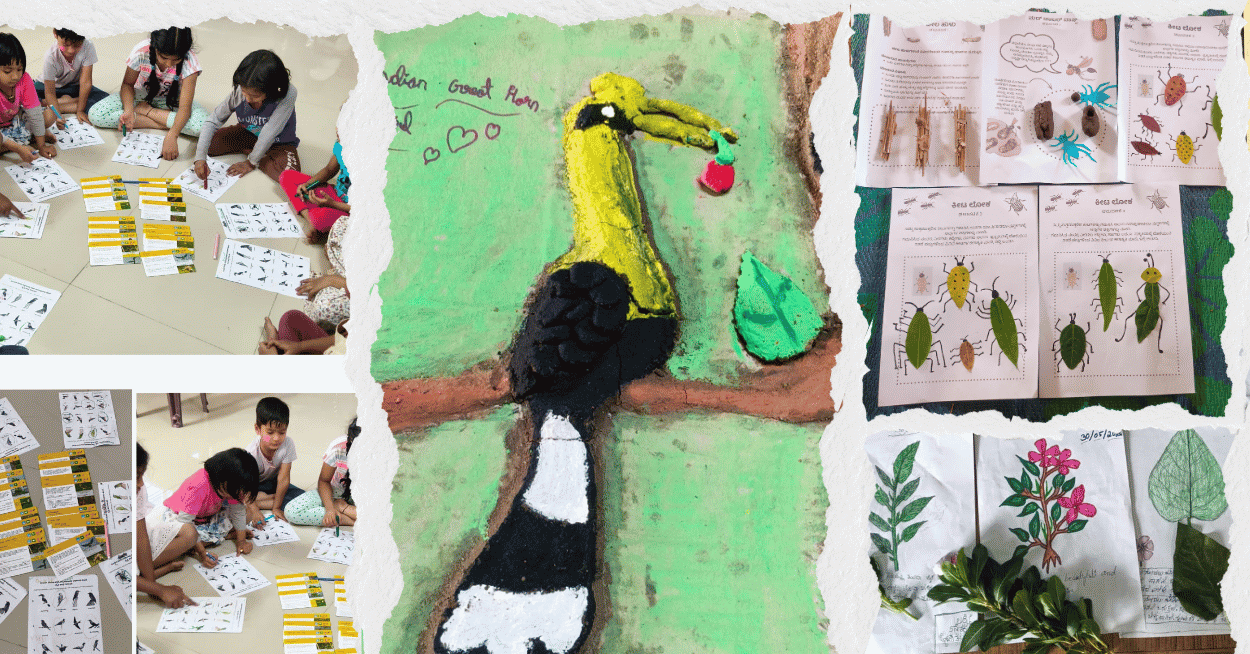
Every Saturday, thousands of children across rural Karnataka gather in an unusual classroom – local Arivu Kendra (Gram Panchayat Library) where there are no blackboards, no exams, and no textbooks. Instead, children come together to listen, observe, draw, make crafts, ask questions, and discover new topics while learning new skills.
Through the government YouTube channel, a variety of educational and skill-development programmes are streamed live to these libraries. These online programmes are part of Oduva Belaku, an initiative of the Department of Rural Development and Panchayat Raj, Karnataka, aimed at engaging children from rural communities in reading and learning.
As part of this initiative, the Early Bird has been conducting a series of nature-based sessions that allow children from different parts of Karnataka to come together and learn. Through these sessions, children explore birds, insects, trees, and the many small wonders that exist just outside their homes and libraries, while sharing their curiosity and observations with one another.
19th April, 2025
ಪಕ್ಷಿಗಳ ಮಾಯಾಲೋಕ | The Wonder of Birds
Our very first session began in April 2025 with an introduction to the fascinating world of birds. Children were introduced to the incredible diversity of birds and the important role they play in our everyday lives. From feathers and migration to simple bird identification tips, the session encouraged children to look more closely at the birds they see every day.
The highlight was a lively Fact or Fiction game, with children eagerly calling in to answer questions. The session concluded with a fun activity on how to draw birds using simple shapes.
Watch the session here.
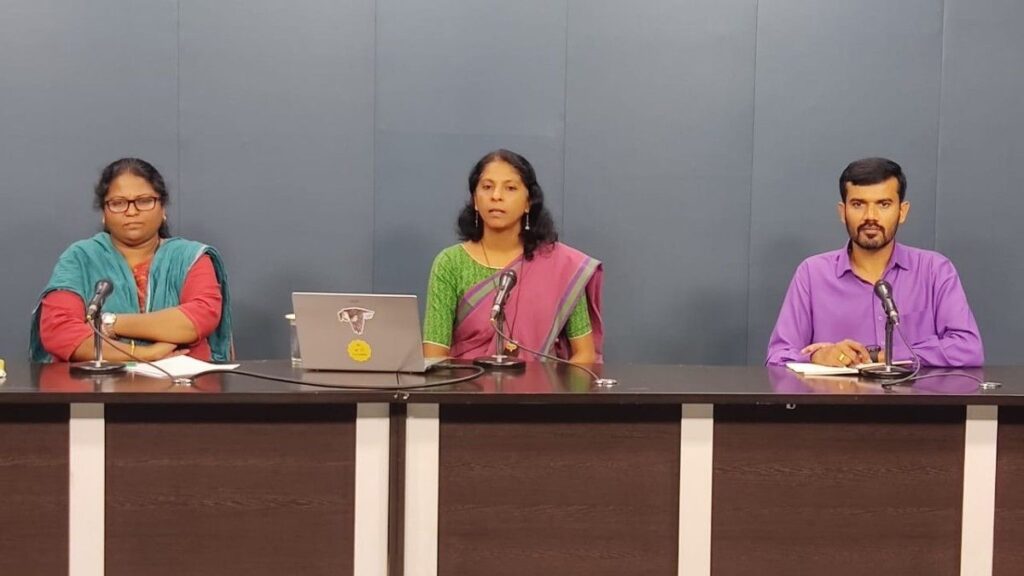
15th November, 2025
ಪಕ್ಷಿಗಳು ಮತ್ತು ಪರಿಸರ | Birds & Nature
Later that year, during the birth anniversary month of renowned ornithologist Dr. Salim Ali, another session explored the lives of people who dedicated themselves to studying birds. Children learnt about Salim Ali’s childhood, how his interest in birds began, and his significant contributions to the study and conservation of birds in India. They were also introduced to naturalist Jamal Ara and her work.
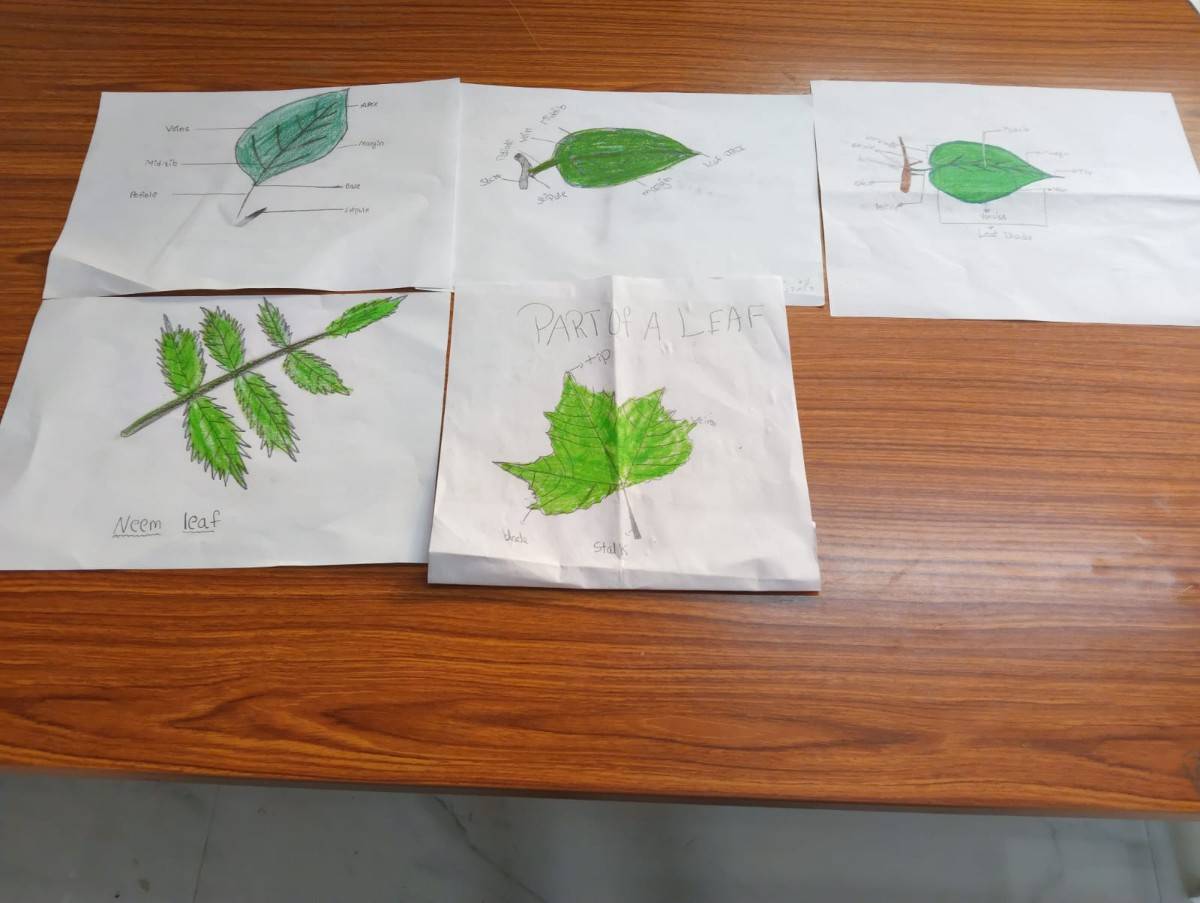
A read-aloud of the storybook Are You a Woodpecker?, authored by Dr. Suhel Quader, sparked lively discussions. Children were encouraged to try hands-on activities such as building nests using natural materials, drawing birds, and recording their observations. A leaf-journaling activity, conducted as a tribute to Saalumarada Thimmakka, helped connect conversations about birds with the importance of protecting local trees and biodiversity.
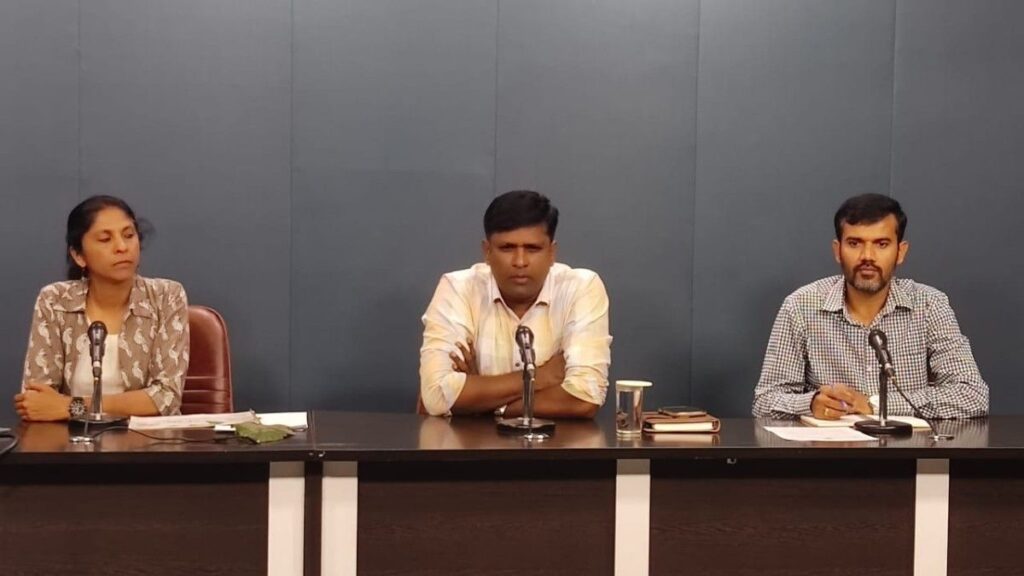
13th December, 2025
ಪಕ್ಷಿ ಹಾಡು | Bird song
In December, the focus shifted to bird communication and songs. Children listened to recordings of common birds and learnt why birds sing and how different species sound. A quiz based on bird calls added excitement to the session, with many children enthusiastically attempting to imitate bird sounds over the phone. Simple tips and tricks for remembering and identifying bird calls were also shared, leading to lively discussions throughout the programme.
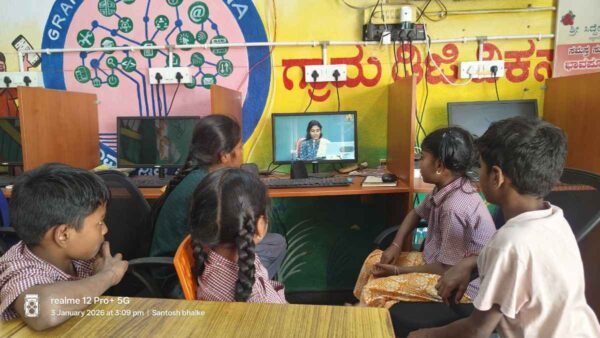
3rd January, 2026
ಅತ್ತಿ ಹಣ್ಣು ಮತ್ತು ಕಣಜ | Fig and Fig Wasp
The new year brought a different story from nature – one hidden inside a fig. Children were introduced to the fascinating relationship between figs and fig wasps, explaining how pollination takes place inside what appears to be a fruit. Children also learnt about the wasp’s life cycle, from laying its eggs within the fig to playing a crucial role in pollination. The session highlighted the importance of figs as a year-round food source for a wide variety of animals. Videos, discussions, and myth-busting conversations helped make this complex ecological relationship both accessible and engaging.
16 May 2026
ಪ್ರಕೃತಿಯ ಮಾಯಾಜಾಲ | Wonders of Nature
By May 2026, the programmes expanded beyond birds to explore the wider world of insects. Using the book Living Museum, donated to Arivu Kendras by the Bangalore Sustainability Forum, children learnt how to observe insects and understand their remarkable behaviours. They discovered bagworms, leaf-cutter bees, mud-dauber wasps, and carpenter bees, and were encouraged to create their own bagworm cases and mud wasp nests using natural materials. Soon afterwards, librarians began sharing photographs of children proudly displaying their creations.
Watch the Session here
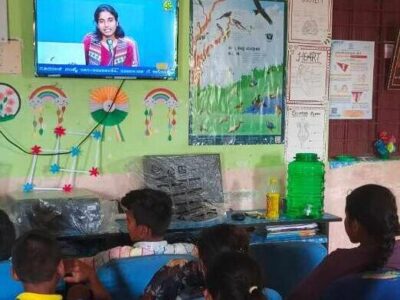
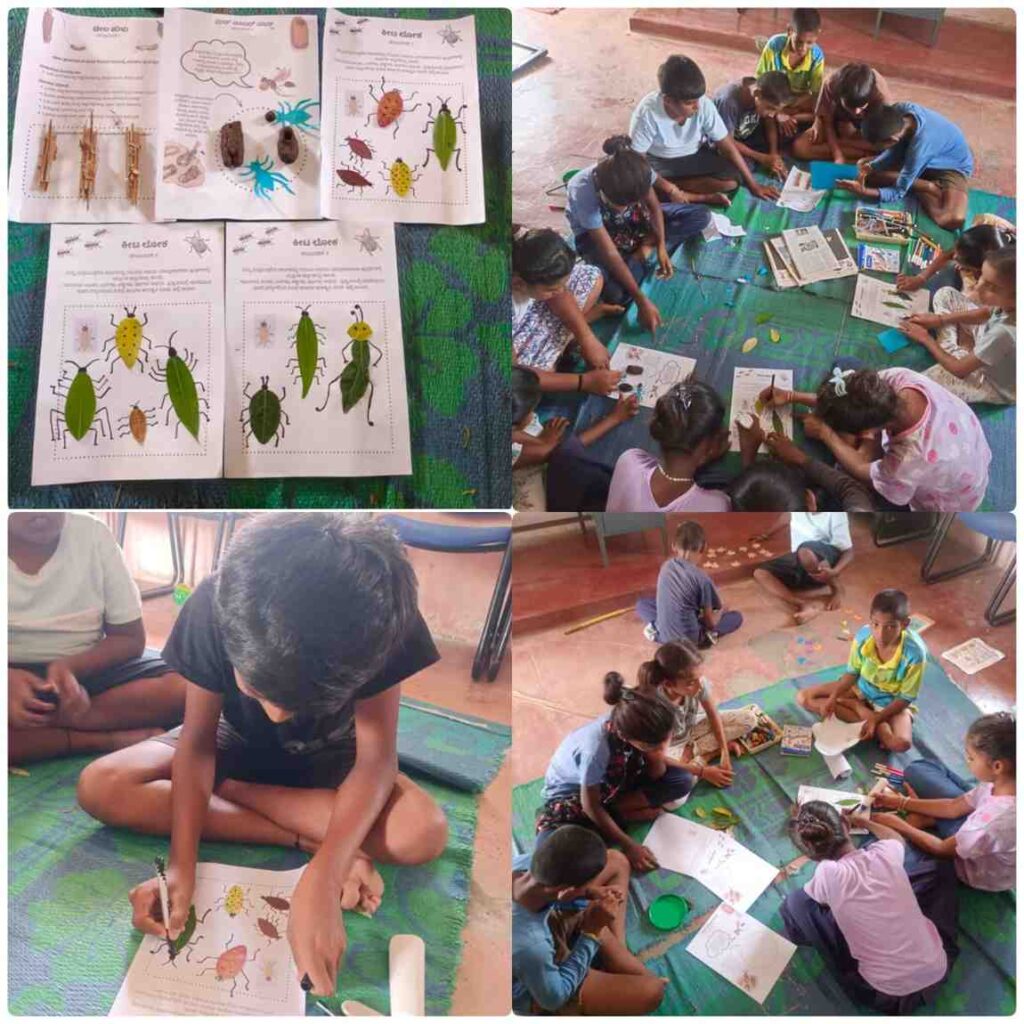
  "The children in our Library were very curious and excited to learn about insects, their amazing behaviours, and the important role they play in nature.”

      — Shivaranjini H P, Librarian, Hookunda GP, Kanakapura Taluk, Bengaluru
30th May 2026
Introduction to Nature Journaling
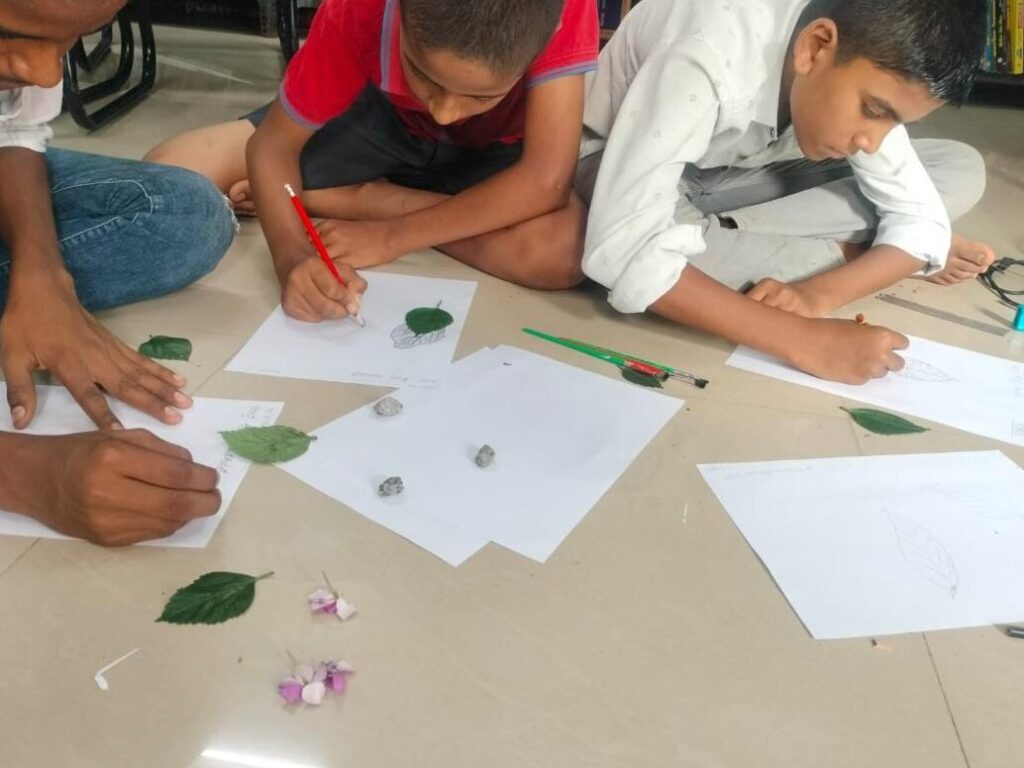
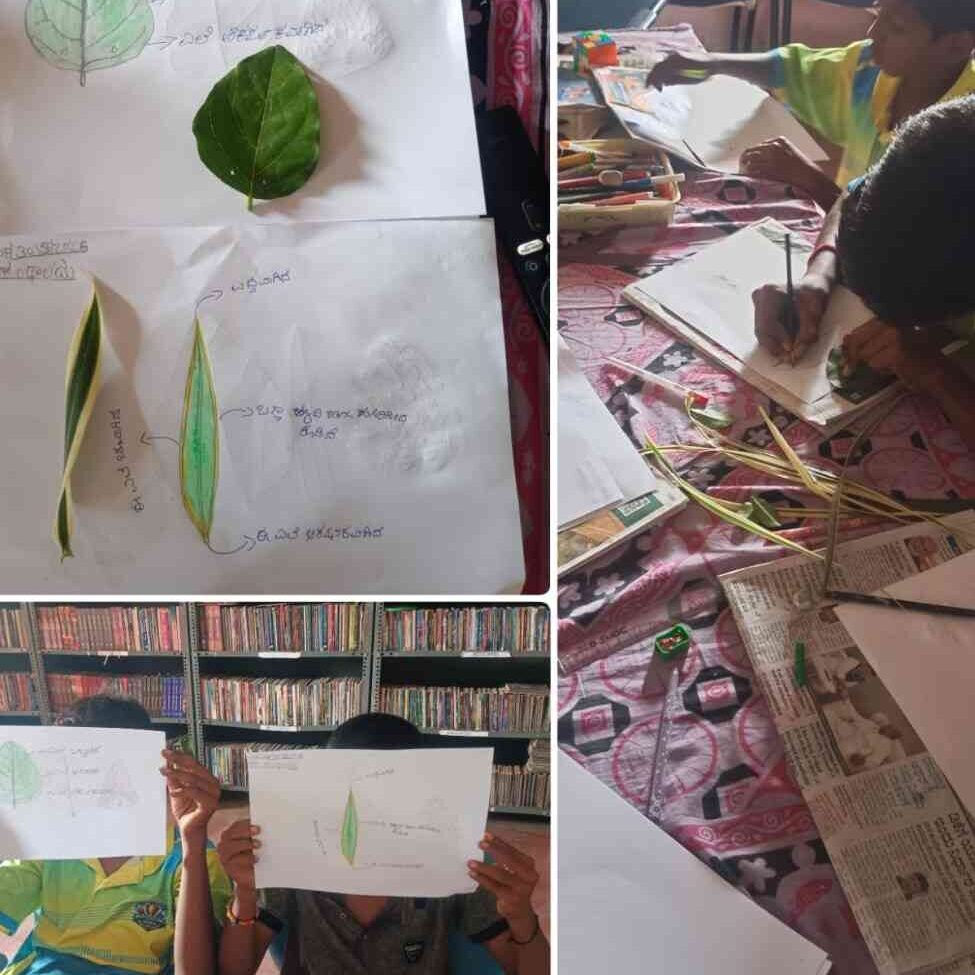
As preparations began for International Nature Journaling Week (1 – 7 June), another session introduced children to nature journaling. They arrived carrying leaves, flowers, seeds, and other objects they had collected nearby. Through drawings, observations, questions, and personal reflections, they learnt that nature journaling is less about artistic perfection and more about paying attention. The journals shared later by librarians showed children recording their discoveries in wonderfully creative ways. In some places, even adult library visitors joined in.
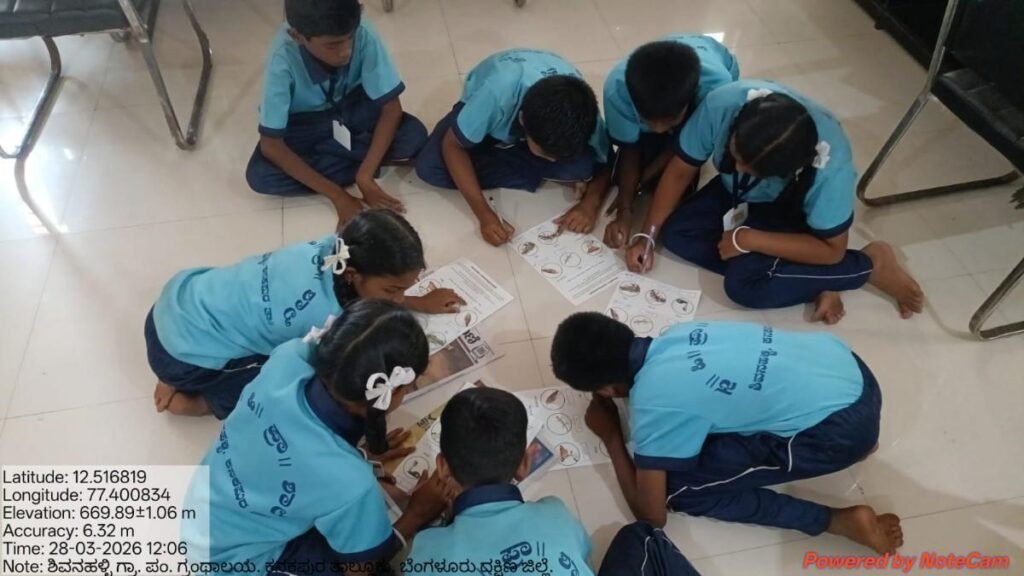
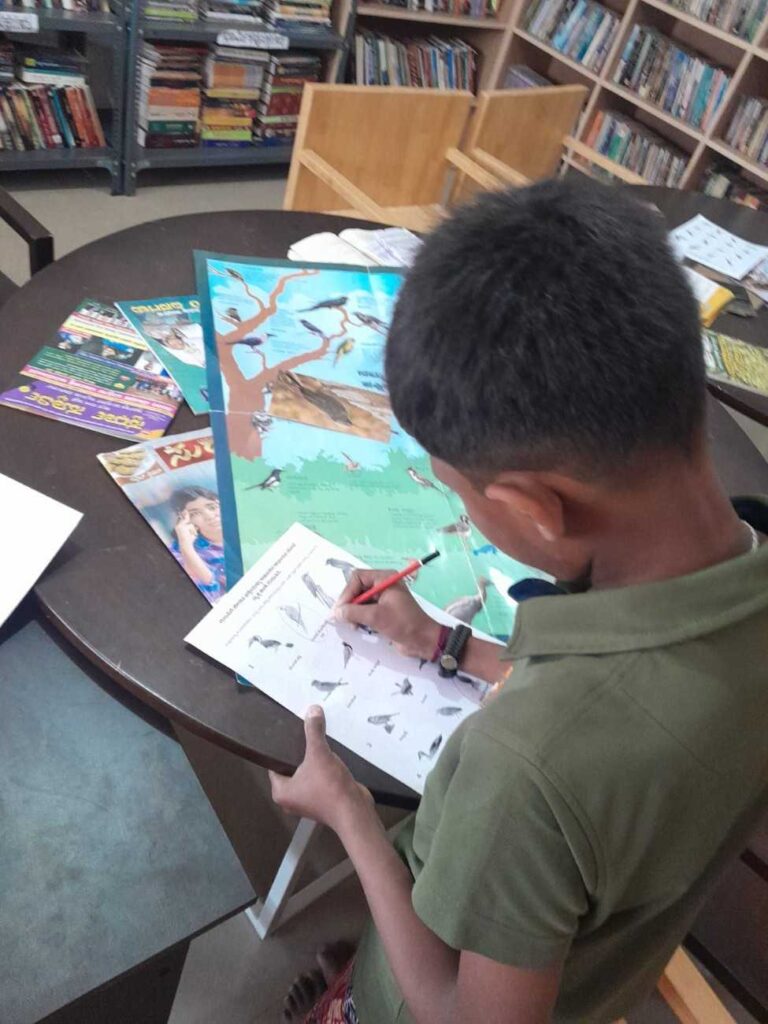
The learning does not stop when the live sessions end. Twice every month on Friday’s, librarians receive simple nature-based “Friday Funday” activities through WhatsApp. Each activity comes with a short instructional video and a printable worksheet. Children visiting the libraries can complete these activities at their own pace, encouraging them to continue observing nature between sessions.
Some activities ask children to watch birds. Others encourage them to look for insects, examine leaves, or notice seasonal changes around them. Participation varies across centres, but in the libraries where these activities are conducted regularly, the impact is becoming visible. Children are beginning to notice details they might once have overlooked – a bird nesting nearby, an unusual insect on a wall, or the changing colours of a tree.
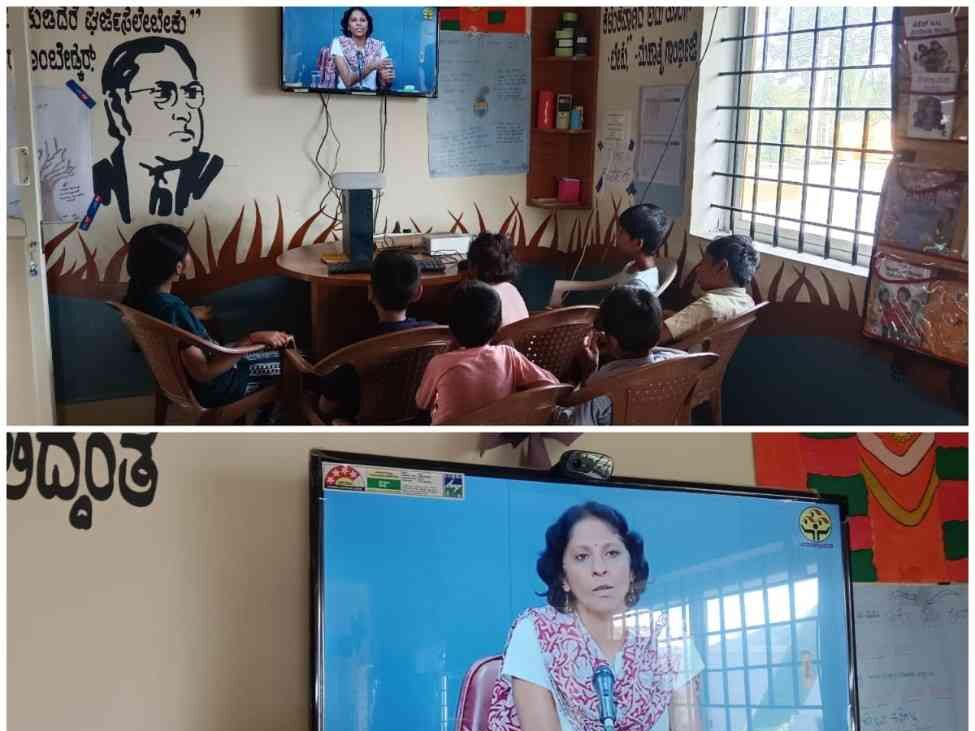
One librarian summed it up beautifully:  “Children and I really enjoy the Early Bird activities and online sessions. Whenever an activity is shared, I try it first and then do it with the children. The children always look forward to these sessions and often ask us to conduct more Early Bird activities.”

    — Chaithra T, Librarian, Shivanahalli Gram Panchayat, Kanakapura Taluk
Another shared: “The children visiting our library really enjoy the Friday activities. Since they are simple and interesting, children happily learn about nature and the environment through them.”

    — Yogesh P,  Librarian, Ummadahalli GP, Mandya District
What began as a series of online sessions has gradually become something larger. Across Karnataka, libraries are evolving into spaces where children do not just read about nature but actively engage with it. Through stories, observations, conversations, and hands-on activities, they are learning to look more closely at the world around them, and in doing so, building a lasting connection with nature.
Watch all our sessions on YouTube, and download the Friday Funday activities.