
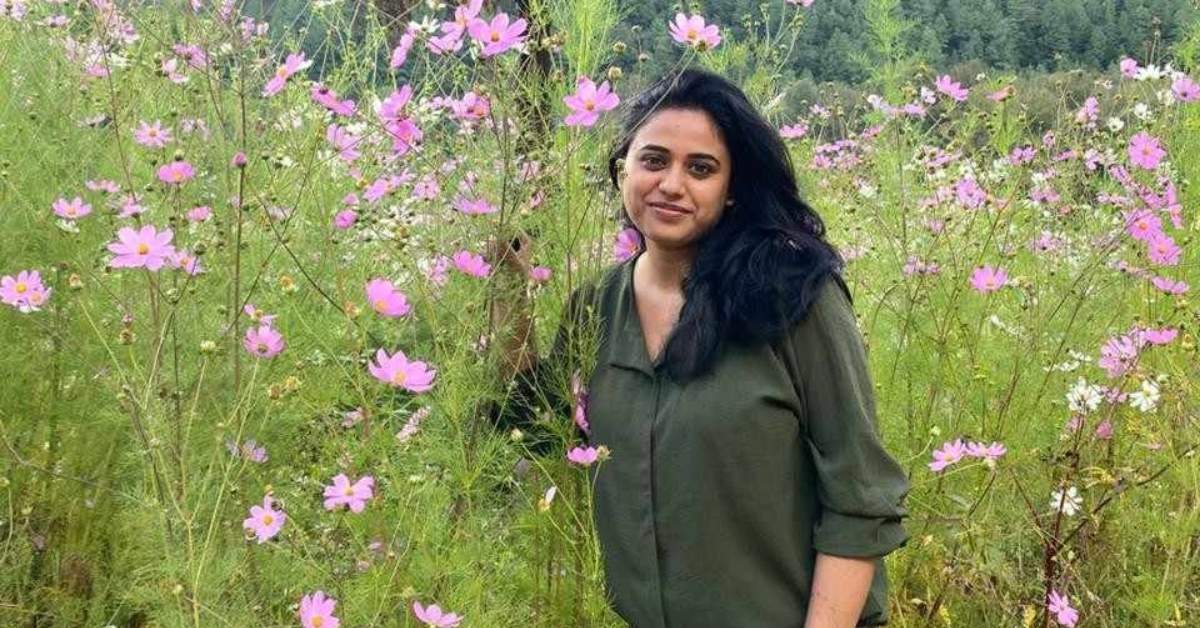
Meet an Educator is a monthly series by Early Bird that features the work of educators across India who are actively spreading the joy of birds and nature. This month’s featured educator is Wasima Begum, a nature educator from Assam, who is dedicated to wildlife conservation and community engagement.
Do tell us about yourself, where you are from, and your work
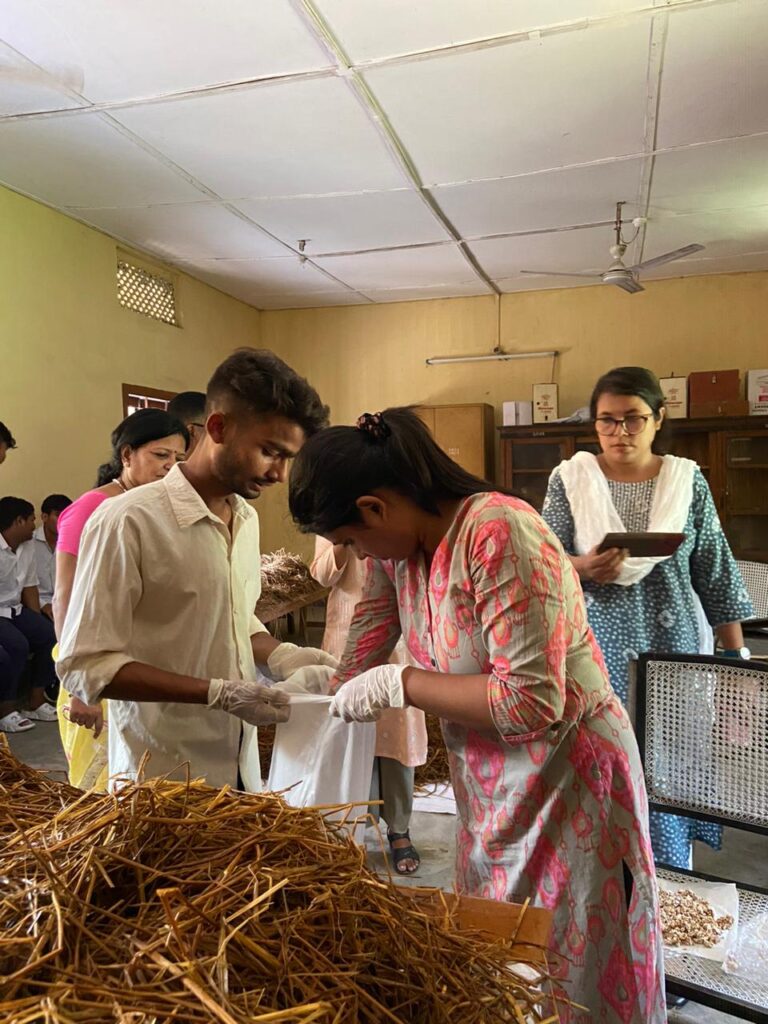
My name is Wasima Begum, and I am from Assam, a state rich in biodiversity, culture, and conservation heritage. I work with Aaranyak, a leading scientific and industrial research organisation in Northeast India, under the guidance of Dr Bibhab Kumar Talukdar (Secretary General and Executive Director of Aaranyak), who has provided the platform to work for nature. I serve as a nature educator and contribute to vulture conservation initiatives.
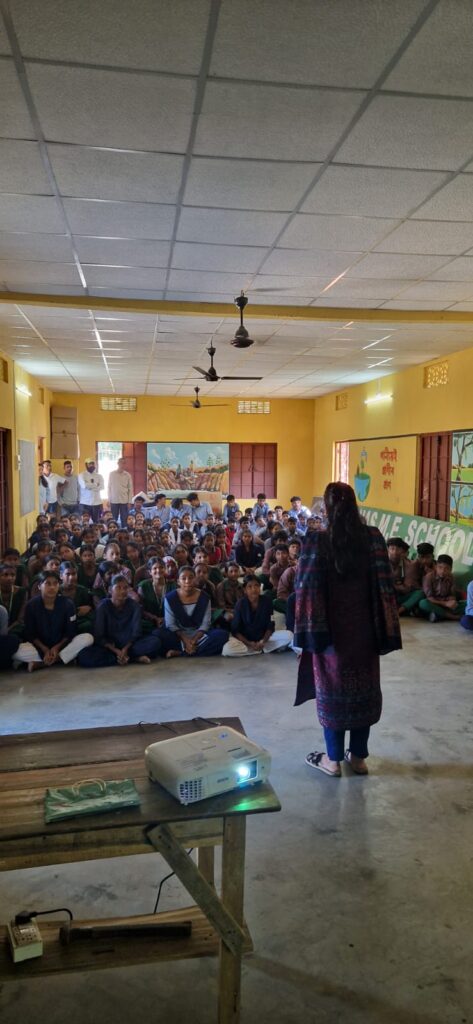
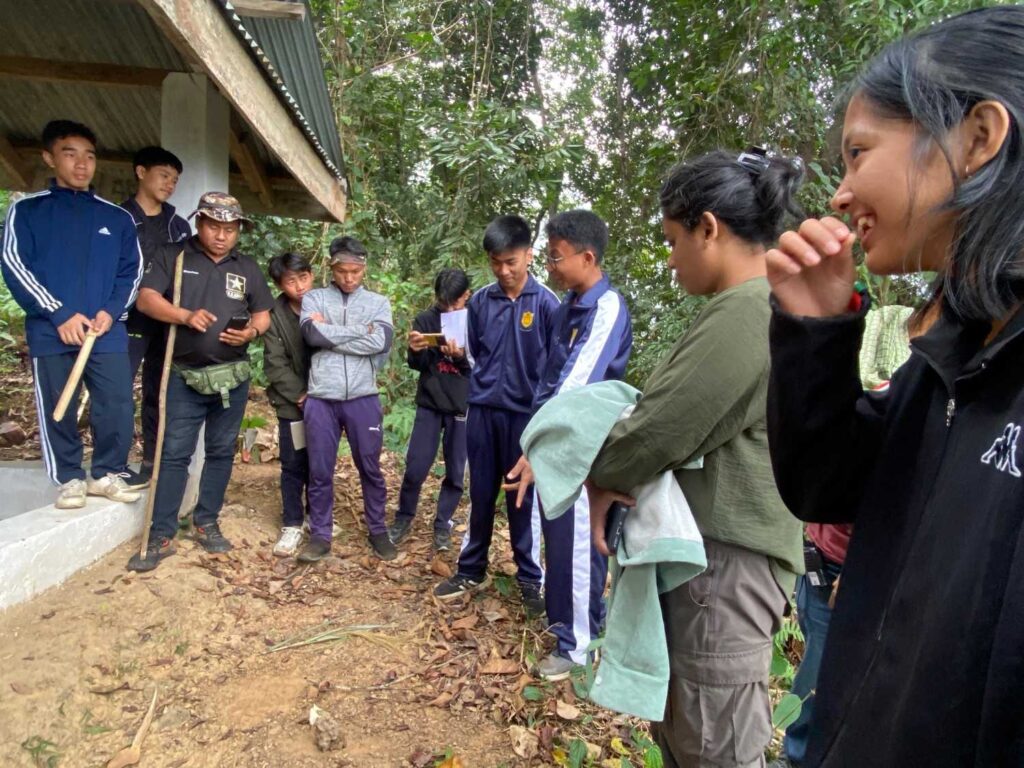
My work involves interacting with communities, students, teachers, and local institutions to create awareness about wildlife, conservation challenges, and the importance of coexistence. Over the years, I have facilitated awareness programmes across states, including Arunachal Pradesh and Nagaland, to help young people understand biodiversity and environmental stewardship. My journey began in 2022, guided by experienced mentors from Aaranyak. Today, my role allows me to blend fieldwork, education, and community engagement to inspire the next generation to care for nature.
What excites you about the natural world?
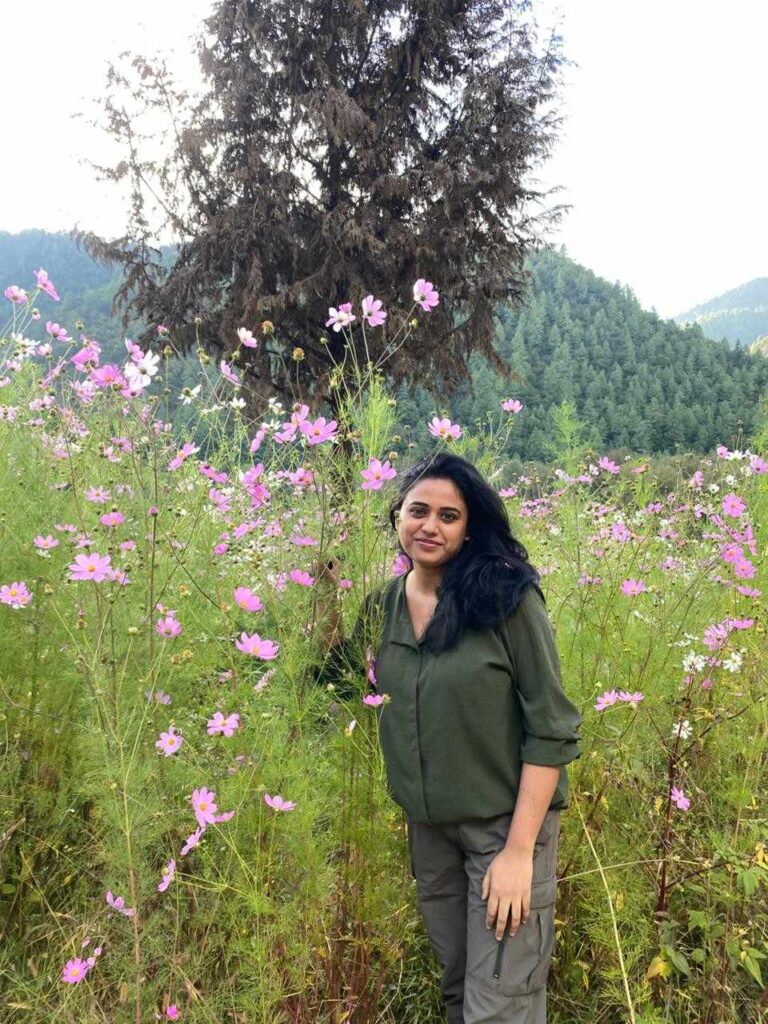
What excites me most about the natural world is the sense of peace it gives me whenever I am surrounded by it. When I am outdoors, I feel as if I am stepping into a completely different world, quiet, calm, and full of small wonders. Even watching a tree slowly grow, seeing new leaves appear, or noticing how sunlight falls through the branches makes me feel connected and grounded.
I love observing simple things: the movement of leaves in the breeze, the sound of birds calling from far away, or the tiny insects going on with their daily routines. These moments remind me that nature has its own gentle process and rhythm. Nothing is rushed; everything grows in its own time. Being in nature helps me slow down, breathe, and feel refreshed. It inspires me by showing how beautiful and meaningful even the smallest parts of life can be.
When and how did you get interested in bird/nature education?
I first became interested in nature education during my Master’s in Ecological Restoration. Our frequent field visits for practical work slowly changed something in me. Being outdoors, observing plants, listening to birds, and studying natural processes made me realise how alive and interconnected everything is. What started as an academic requirement soon became a personal curiosity.
During those field visits, I felt a different kind of happiness as I walked through forests, taking notes, identifying species, and simply being close to nature. It opened my eyes to how much we overlook in our daily lives. I began noticing small details such as leaf patterns, bird calls, and how ecosystems recover and grow. That period sparked my passion for sharing this beauty with others. I wanted to feel the same excitement and connection that I felt, and that is how my journey in nature education truly began.
What do you hope to achieve through your education work?
Through my education work, I hope to create a generation that feels genuinely connected to the natural world, not just through books, but through real experiences, emotions, and understanding. My goal is to help youth and communities see nature as something they belong to, not something that separates them from their daily lives. I want them to realise that every bird, tree, insect, and river plays a role in maintaining a balanced environment, and that they too bear a responsibility toward its protection.
I also want people to understand that development does not mean cutting trees or destroying natural spaces. True development means growing in a way that respects the land that supports us. If young minds understand this early, they will make smarter and more sustainable choices in the future.
I hope to replace fear or misunderstanding with curiosity. When people learn how ecosystems work, their perspective changes completely. I want to see students asking questions, exploring, and feeling proud of their natural heritage. Ultimately, I want my work to inspire small but meaningful actions—such as planting trees, reducing waste, or simply appreciating the beauty around them. If even a few learners grow up to make environmentally conscious decisions, I will feel that my efforts have created a real impact.
Why do you believe it is important for children to learn about birds or connect with nature?
I believe it is important for children to learn about birds and connect with nature because this early exposure shapes their worldview. Birds are often the easiest wildlife to observe; they are colourful, active, and always around us. When a child hears a bird call, watches one build a nest, or sees a flock flying across the sky, it naturally cultivates curiosity, empathy, and a sense of wonder.
Connecting with nature also teaches children important values. They learn patience by watching the slow growth of plants, responsibility by caring for small green spaces, and respect by understanding that every creature has a purpose. Nature helps children think beyond themselves and realise that they are part of a larger ecosystem where every action matters.
In today’s world, where children spend so much time indoors or on screens, nature gives them a chance to slow down and observe real life happening around them. Studies also show that spending time in nature improves mental well-being, creativity, and decision-making skills. When children build this connection early, they grow into adults who care about the environment, make responsible choices, and appreciate the beauty of the natural world. This early exposure forms the foundation for a more aware and environmentally sensitive society.
What tools or resources have helped you in teaching about birds? Can you describe an approach that has worked exceptionally well for you?
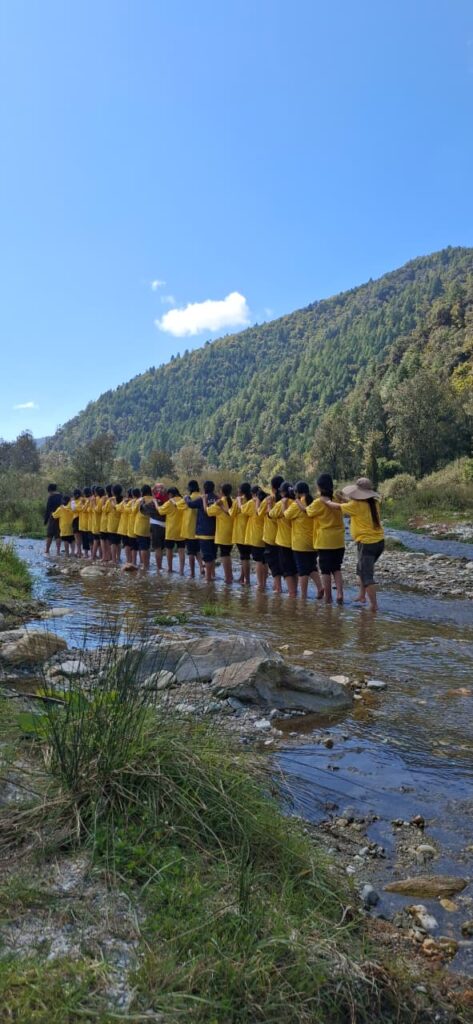
Over the years, several tools and resources have helped me in teaching children about birds and nature. Simple resources—such as binoculars, field guides, mobile apps (for bird calls and identification), posters, feathers, leaves, and nature journals—make the learning process more fun and interactive for students. Even short videos or pictures of bird behaviour can quickly spark interest.
But more than any tool, I believe the outdoor environment itself is the best resource. A school playground, a nearby field, or a tree outside the classroom—these become powerful learning spaces when children are encouraged to observe closely.
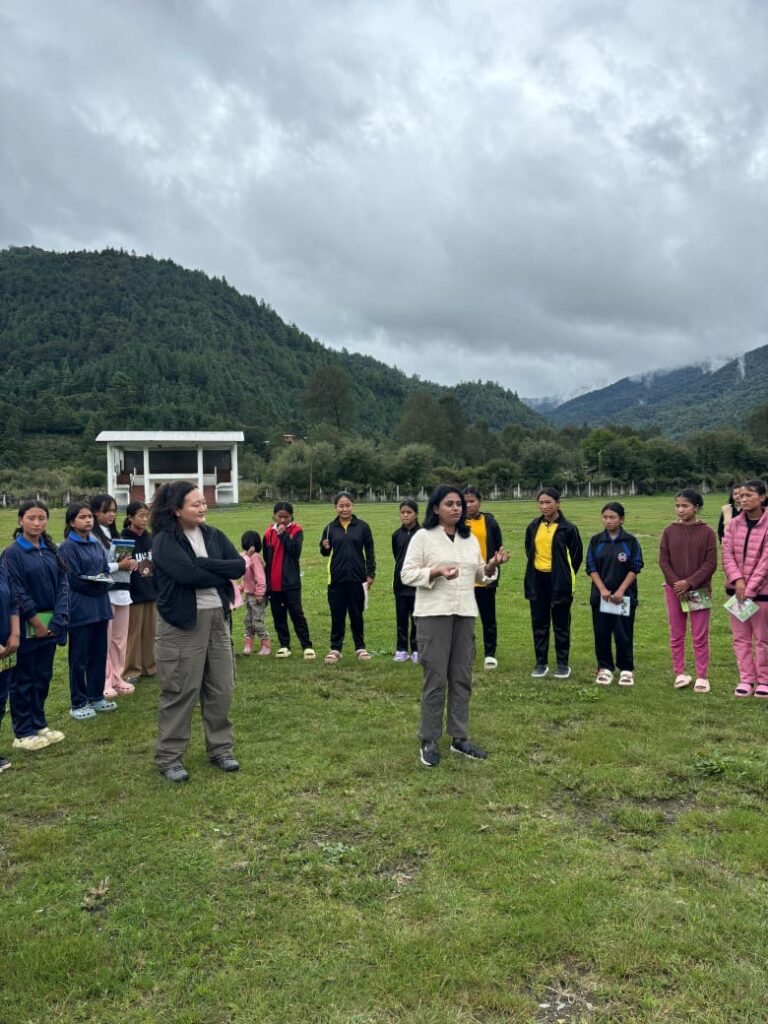
One approach that has worked exceptionally well for me is the “Observe–Experience–Express” method. I start by taking children outdoors and letting them explore freely. They observe what naturally catches their attention: bird calls, leaf shapes, insects on flowers, colours, or patterns. I do not give instructions immediately; I let curiosity guide them.
After the walk, we sit together and talk about what they saw or felt. Children draw in their journals, write one new thing they learned, or share a moment that surprised them. This helps them express what they experienced in their own way. This method works beautifully because it makes learning personal. Children remember what they discover themselves, not what we force them to memorise. It builds curiosity, confidence, and a real emotional connection to nature, something no textbook alone can ever achieve.
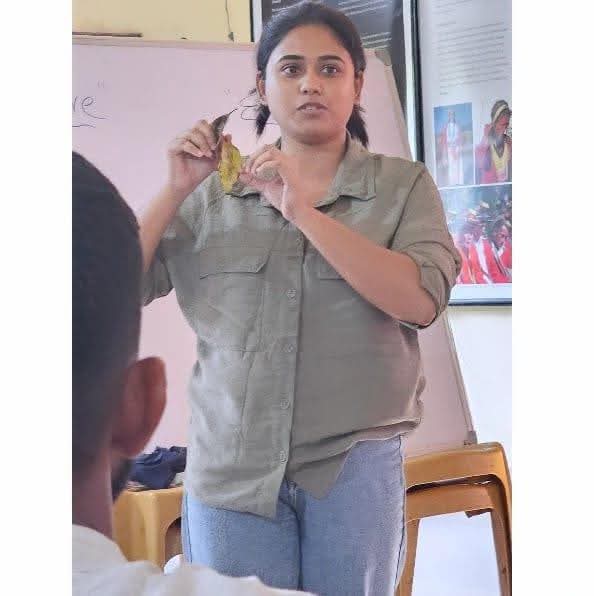
Photo credits: Lota Singhi
Have you encountered a significant challenge as a bird/nature educator? How did you overcome it?
Yes, I have faced several challenges, but one major challenge has been shifting mindsets, particularly in communities where nature is perceived as distant, unimportant, or even frightening. Many children grow up hearing that certain birds are ‘bad luck,’ insects are ‘dirty,’ or forests are ‘dangerous,’ and these beliefs make them hesitant to explore or learn.
In the beginning, I noticed that even when I spoke about nature, some students were shy, uninterested, or scared to go outdoors. This made it difficult to create a positive learning environment. I realised that simply providing information was not sufficient; I needed to create experiences that gradually alter their perceptions.
To overcome this, I started using small, simple, and safe activities to build trust. Instead of taking children directly into the field, I began with storytelling, pictures, bird sounds, or small activities like observing a leaf or watching ants move. These little moments made them curious without overwhelming them. Once they were comfortable, I introduced outdoor walks, nature journaling, and hands-on exploration.
I also learned to communicate with communities patiently, respecting their beliefs while gently sharing scientific facts and real-life examples. Over time, attitudes slowly began to shift. Children started asking questions, teachers became more supportive, and families showed interest in what their children were learning. This experience taught me that change takes time, but with consistency, empathy, and the right approach, even the most significant obstacles can lead to meaningful transformations.
Do share any memorable moment or experience you have had in teaching kids about birds/nature. Can you recall any insightful instance that shaped your perspective?
One of the most memorable moments in my nature education journey occurred during a school visit in a small village. I had taken a group of young students outside for a short nature walk. Most of them had never observed birds closely before; they saw them as only part of the background. During the walk, one quiet girl suddenly stopped and pointed excitedly at a tiny sunbird hovering near a flower. She had never seen a bird feed like that, and her eyes were filled with pure wonder.
What touched me most was what she said afterwards. She told me, “Didi, I see birds every day, but today I felt like the bird also saw me.” That simple sentence stayed with me. It reminded me that children do not need complicated lessons; they need a moment that makes them feel connected.
Later that day, the same girl started showing her classmates different flowers, insects, and leaf shapes she had noticed. A child who was silent in the classroom became a leader outdoors. Seeing her confidence and curiosity grow in just one hour completely changed my perspective. This experience taught me that nature can bring out hidden strengths in children, whether it is courage, observation skills, or creativity. It also reminded me that sometimes the smallest encounters create the biggest impact. From that day on, I realised that my role is not only to teach facts, but to create moments that allow children to feel seen, heard, and connected to the natural world.
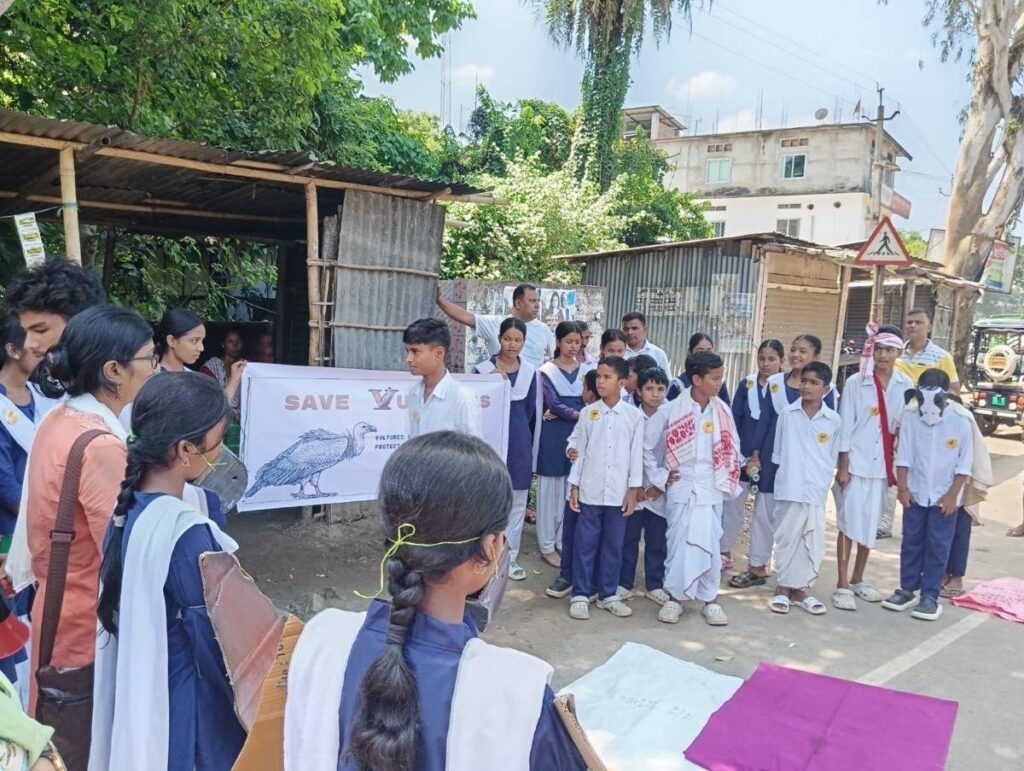
Photo credits: Wasima Begum
Have you noticed any changes in your learners after they received exposure to birds and nature-based learning? If yes, what are they? If not, why do you think that is?
Yes, I have noticed many positive changes in learners after their introduction to birds and nature-based learning. One of the biggest changes is in their confidence and curiosity. Children who were once shy or uninterested in outdoor activities slowly became more active, asking questions, pointing out bird calls, or showing their friends something new they discovered. Their ability to observe small details improved considerably; they began noticing feathers, nests, leaf patterns, and insects they had never noticed before.
Another important change is their sense of responsibility. Many students began reminding others to avoid littering, protect plants, or respect animals around them. Some even told me they asked their families to plant trees or keep water bowls for birds during the summer. These small actions show a big shift in mindset.
I also observed improvements in their patience and focus. Activities like nature journaling or silent bird-watching helped them slow down and pay attention, which is rare in today’s fast-paced, screen-heavy world.
Most importantly, exposure to nature made them happier and more relaxed. They enjoyed learning outside the classroom and felt connected to something bigger than themselves. These outcomes demonstrate that even simple nature-based activities can shape children into more mindful, caring, and environmentally aware individuals.
What message would you have for your fellow educators, or somebody starting out in their nature education journey?
My message to fellow educators, and to anyone starting their nature education journey, is to begin with patience and an open heart. You don’t need to be an expert in birds or plants to inspire others. Your curiosity and willingness to learn alongside children are more than enough. Start small: observe a tree in your school, listen to morning bird calls, or take students for a short nature walk. Even the smallest outdoor experience can create a big impact.
Remember that nature education is not about providing perfect facts, but about helping children feel intrinsically connected to the world around them. Let them ask questions, explore freely, and make their own discoveries.
There will be challenges, but stay consistent. Every conversation, every outdoor moment, and every little spark of curiosity you create can shape a child’s view of nature for life. Keep going; you never know whose life you might inspire.