
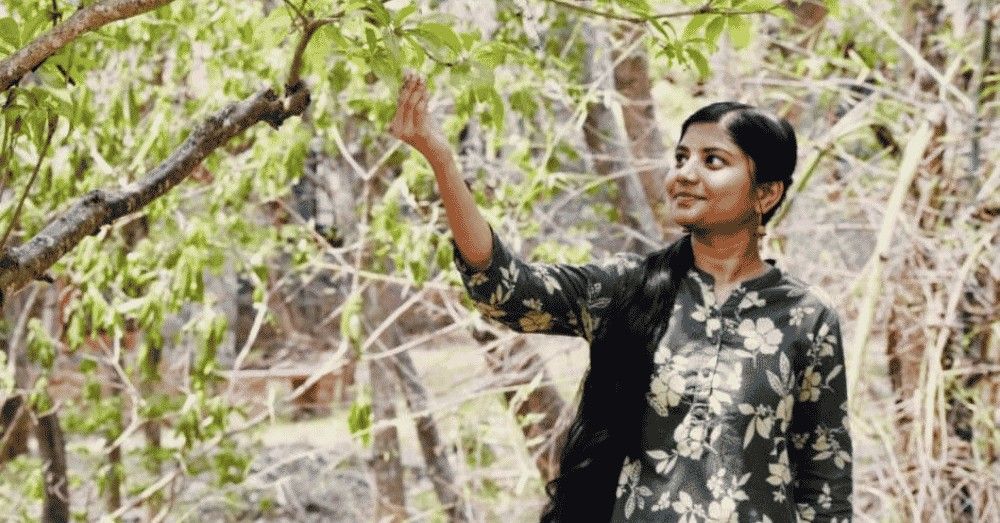
Meet an Educator is a monthly series by Early Bird that features the work of educators across India who are actively spreading the joy of birds and nature. This month’s featured educator is Keerthika G, a passionate nature educator aiming to inspire diverse urban communities to observe, love, and protect local biodiversity.
Do tell us about yourself, where you are from, and your work
I am Keerthika G, a PhD scholar in Zoology from Coimbatore, Tamil Nadu, where I also completed my master’s degree. I regularly participate in NGO activities as a nature educator, conducting sessions for the general public to raise awareness about conservation.
Birdwatching has been my passion since the 8th standard (2012), and from the 9th standard onwards, I was involved in biodiversity data collection. In the 11th standard, I did a research project on the topic, ‘Effect of weather on wetland ecosystems’. This work earned district, state, and national recognition, including an A+ grade and the Child Scientist Award at the 23rd National Children’s Science Congress. It was widely featured in prominent media such as The Hindu. Today, my work focuses on expanding nature education initiatives across wetland and forest ecosystems, aiming to bridge the gap between scientific research and public conservation awareness.
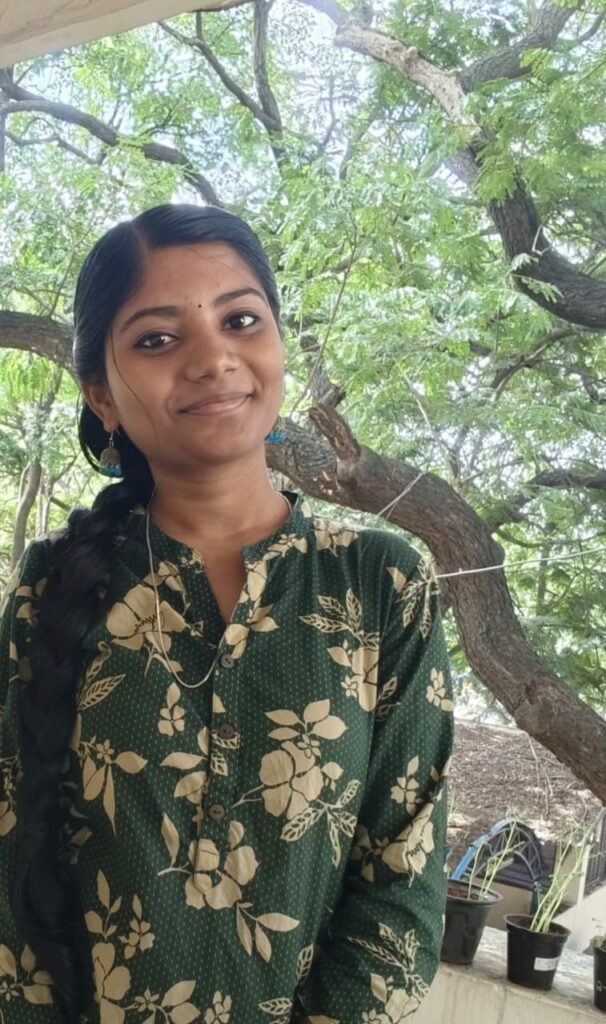
What excites you about the natural world?
What excites me about the natural world is its beauty, diversity, and the profound sense of peace it brings. Nature is very beautiful, and whenever I am surrounded by it, it has the power to transform me into a refreshed and positive person. Being around trees, birds, butterflies, and the gentle breeze gives me a sense of happiness and renewal every single time; Every moment spent observing these elements fills me with fresh energy and a calming positivity.
Especially when I walk inside a forest, it feels like I am entering a completely new world, far away from stress and noise. I am equally fascinated by wetlands, as they are home to numerous flora and fauna, creating a unique and vibrant ecosystem even within a city. Pausing to watch birds and observe these habitats shifts my perspective, drawing me into a state of deep, internal connection.
In those moments, I am not merely an observer; I am truly a part of nature, experiencing it from within. This continuous wonder inspires me to appreciate life on a much deeper level.
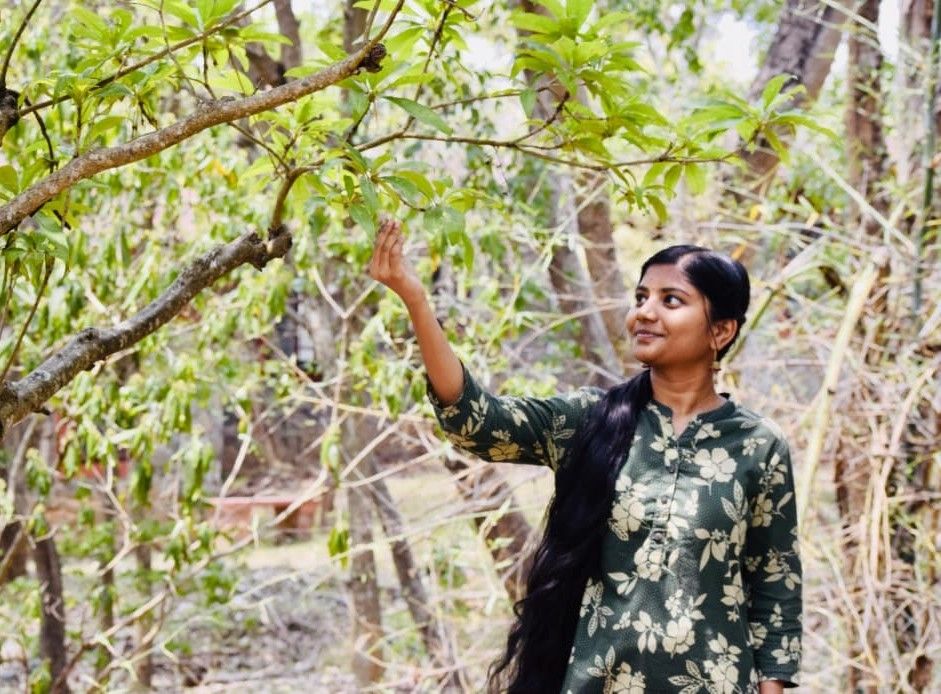
educator and researcher, today | Photo credits: Aswathi Chingath
When and how did you get interested in bird/nature education?
My interest in birds and nature education was ignited in 2012, during my 8th standard. Under the guidance of my teacher, Mrs. T. Selvi, I participated in a field visit to the Salim Ali Centre for Ornithology and Natural History (SACON) in Anaikkatti. It was there that Dr. P. Pramod, Senior Principal Scientist, introduced me to the vital importance of the natural world. Dr. Suhirtha Muhil, then a research scholar, further enriched this experience by providing hands-on field training in bird observation and research methodologies. Their collective mentorship laid the foundation for my enduring commitment to bird watching and scientific inquiry.
What do you hope to achieve through your education work?
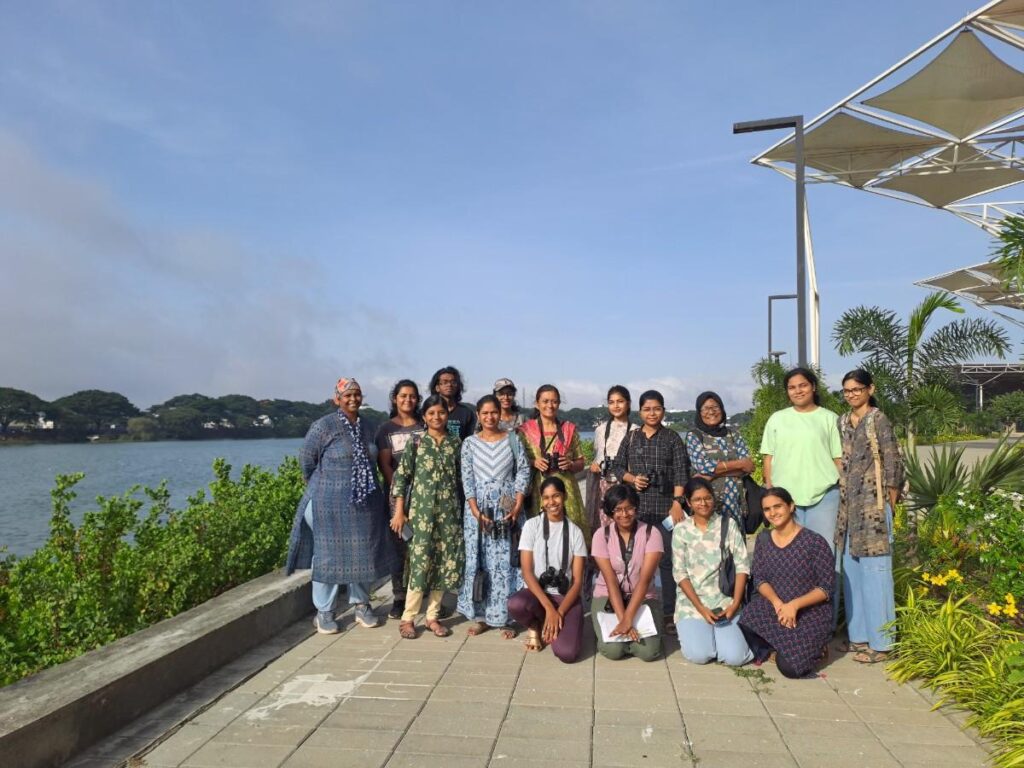
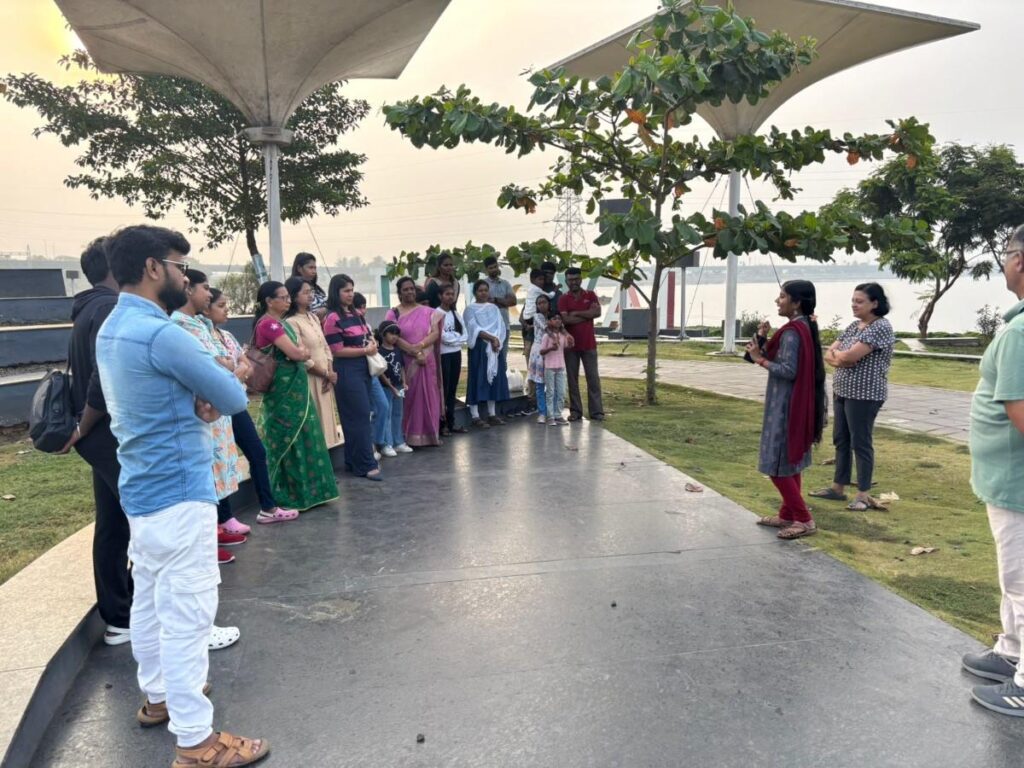
Many people live close to nature but rarely take the time to notice or understand it truly. My first goal is to encourage them to observe their surroundings and then gradually help them learn about nature in a meaningful way. As their perspective begins to change, they naturally develop a sense of responsibility towards biodiversity. They soon start regularly engaging in bird watching and nature observation, while also sharing their knowledge with those around them. When people begin to love nature, they automatically feel the need to protect it.
I believe that when individuals understand that conserving nature is not just for the environment but for our own survival and future generations, they become more aware and proactive. Through my work with people from various fields—such as doctors, IT professionals, teachers, researchers, students, and homemakers—this awareness spreads across different sections of society.
I have already started seeing these positive changes. I hope to continue expanding this impact and inspire many more people in the future.
Why do you believe it is important for children to learn about birds or connect with nature?
I strongly believe it is important for children to learn about birds and connect with nature because I have personally experienced its impact in my own life. As a school student, my early exposure to nature education helped me develop curiosity, observation skills, and a deep interest in the natural world. This connection encouraged me to participate in biodiversity studies, engage in scientific research, and eventually contribute to nature education and awareness in society.
When children spend time observing birds and nature, they not only learn scientific concepts but also develop patience, responsibility, and a sense of care for the environment. It helps them understand how ecosystems function and why conservation is important for our own survival. These experiences shape their thoughts and actions in a meaningful way, creating a lasting impact.
My own journey shows how an early introduction to nature can lead to personal growth and a sense of purpose. It made me more aware, confident, and motivated to work towards positive change. Because of this, I truly believe that introducing children to nature at a young age can inspire them to become responsible individuals who value and protect the natural world.
What tools or resources have helped you in teaching about birds? Can you describe an approach that has worked exceptionally well for you?
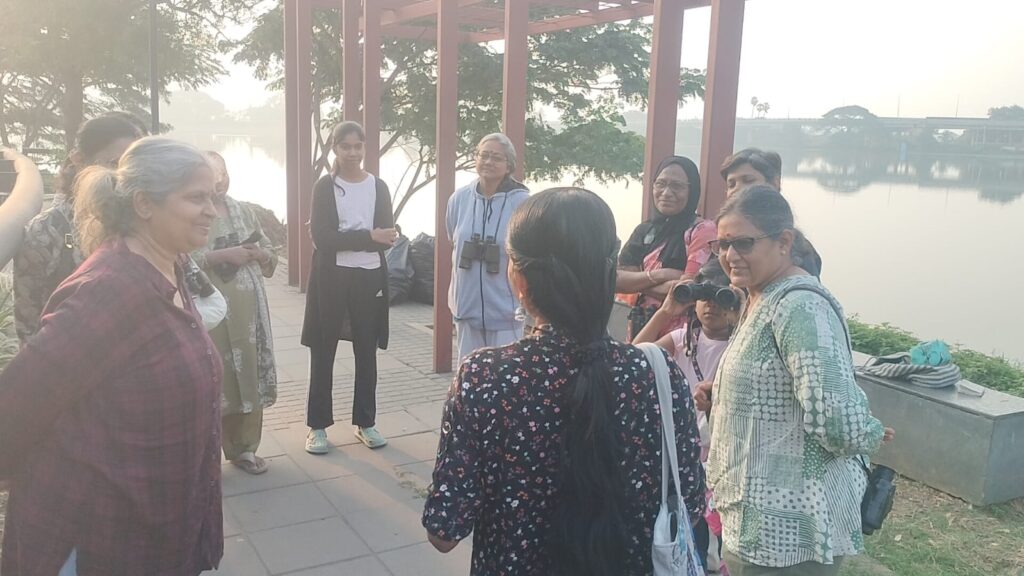
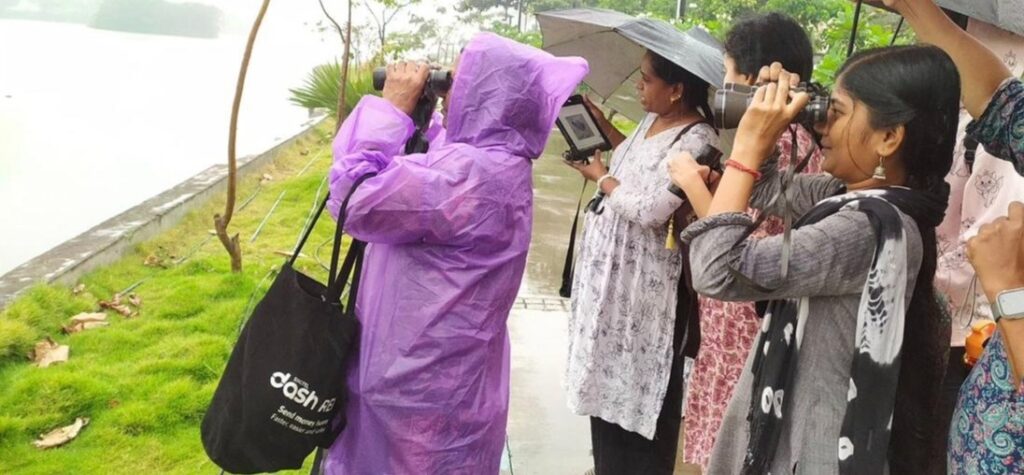
The tools and resources that have helped me most in teaching about birds and nature are primarily books and digital applications. I prefer using books as they provide strong foundational knowledge and detailed understanding. Along with that, apps like eBird, Merlin, and iNaturalist have been very useful for identifying species, recording observations, and learning interactively. Field tools such as binoculars and cameras have also played an important role, helping to observe birds and biodiversity both closely and effectively.
Another key resource in my journey has been learning directly from experienced scientists and nature educators. Their guidance helped me build a deep understanding of the subject, which I could confidently pass on to others. Expert mentorship has been extremely valuable in shaping my teaching approach.
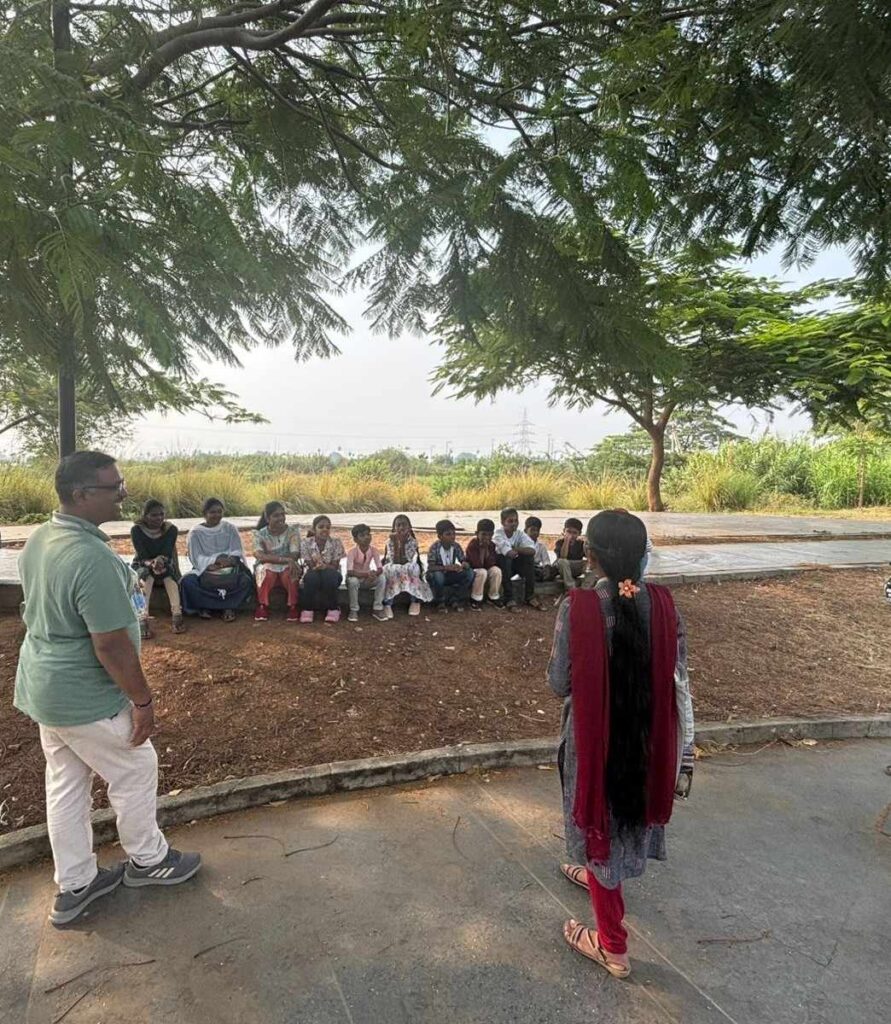
One approach that has worked exceptionally well for me is adapting my teaching based on the audience. I first observe the group, understand their background, and assess their level of interest and purpose for attending the session. Based on this, I adjust my teaching style to be simple, relatable, and engaging for them. This approach helps learners connect better with the content and encourages them to explore further on their own. It not only improves their understanding but also supports their growth in nature learning, making the sessions more meaningful and impactful.
Have you encountered a significant challenge as a bird/nature educator, how did you overcome it?
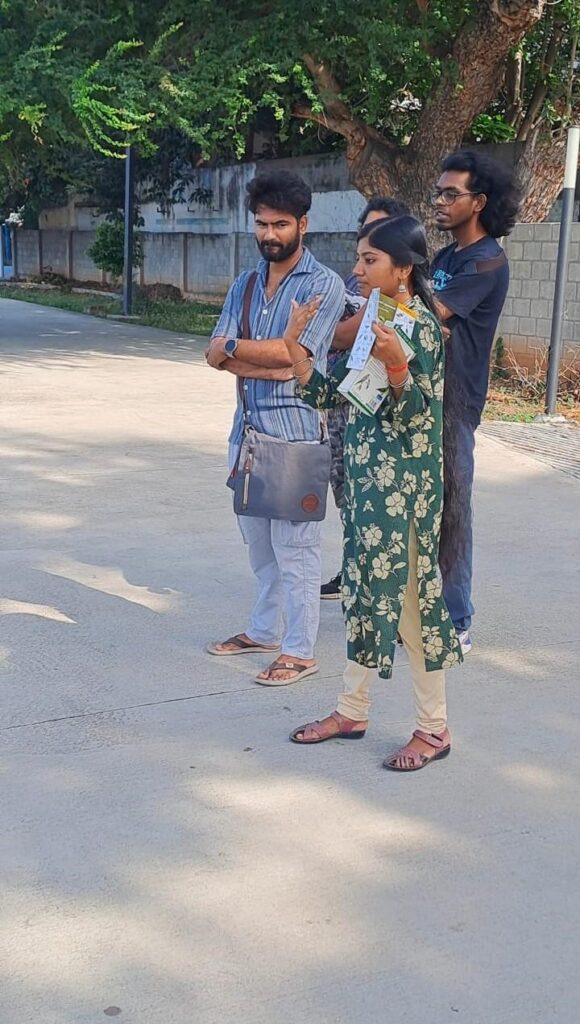
One of the significant challenges I faced as a bird and nature educator was that when I began teaching. I worked with a wide range of people, including school and college students and individuals from different professional backgrounds. It was difficult to work out how to teach each group effectively. I often felt unsure about which approach would be suitable and how to present the content so it reached them in the right way.
Each group had different levels of understanding, interests, and learning styles. I was unsure how to connect with them and make nature education meaningful for everyone. However, instead of giving up, I started observing my learners’ interests. I took the time to understand their backgrounds, their level of knowledge, and how they responded to different teaching methods.
Gradually, I learned how to adapt my teaching style according to the audience. I began using simple, relatable, and engaging ways to explain concepts so that everyone could understand easily. With experience, my confidence grew, and the process became much smoother. Now, I feel comfortable teaching people from any sector, and I can connect with them effectively. Seeing that my teaching is reaching them and creating an impact gives me real happiness and satisfaction, and it motivates me to continue my journey with greater confidence and purpose.
Do share any memorable moment or experience you have had in teaching kids about birds/nature. Can you recall any insightful instance that shaped your perspective?
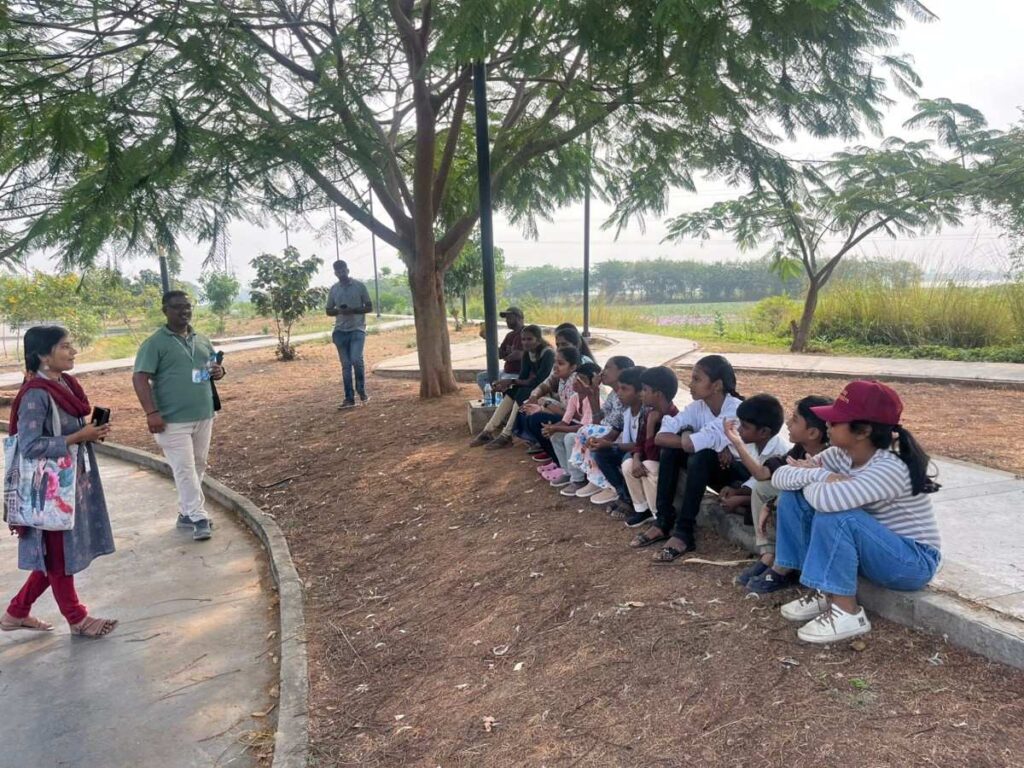
One of the most memorable experiences I have had while teaching children about birds and nature is the unique energy they bring into every session. Teaching children always feels very different and special. They are naturally curious and keep asking questions with great enthusiasm, which makes the learning process lively and enjoyable. I feel very happy and motivated while teaching them.
Whenever they observe a bird, butterfly, or any form of biodiversity for the first time, their excitement is truly heartwarming. Even the smallest discovery becomes a moment of wonder for them. That happiness creates a positive and vibrant atmosphere that inspires me to do more in this field. Their reactions remind me of how beautiful and fascinating nature is, even in simple things.
Another meaningful experience is how quickly they learn and share. Following each session, they eagerly pass on their knowledge to friends and family. They also continue to explore and learn more about nature on their own, which shows their deep interest and involvement. Teaching children has changed my perspective by showing that learning should be filled with curiosity, joy, and connection. Their genuine excitement proves that nature education can create a lasting impact and inspire responsibility towards the environment. This is truly a memorable and insightful instance that shaped my perspective.
Have you noticed any changes in your learners after they received exposure to birds and nature-based learning? If yes, what are they? If not, why do you think that is?
Yes, I have noticed many meaningful changes in learners after they were exposed to birds and nature-based learning. The most visible transformations were among children. They started birdwatching regularly on their own and showed great enthusiasm for sharing what they learned with their friends and family. They actively spoke about nature and its importance, which was truly inspiring to see. Observing these shifts made me feel deeply fulfilled and motivated.
Among college students, many developed a strong interest in nature-related topics and became more active in doing research in this field. Homemakers and retired individuals also showed positive engagement by sharing their learning with family members and social circles. Many of them personally told me they would continue raising awareness for nature and its importance.
Another significant change was the sense of responsibility people developed. Whenever they found an injured bird, they contacted me immediately to learn how to rescue and care for it and took responsibility for protecting it. These experiences made me realise that nature education has a positive impact on society, and they inspired me to reach and educate many more people.
What message would you have for your fellow educators or somebody starting their nature education journey?
My message to fellow educators and those starting their journey in nature education is that it is a deeply important and meaningful field. Once people develop even a small spark of interest, they naturally begin to love nature and feel responsible for protecting it, even without being told. When learners start to understand nature and its importance, it creates a strong sense of awareness within them. This awareness gradually leads them to stand up for conservation and take action to protect the environment. They also begin sharing their knowledge with others, creating a ripple effect that brings positive change in society. Nature education has the power to influence not just individuals but entire communities.
As educators, it is important to teach in a friendly and relatable way so that learners can easily connect with the concepts. When learning is engaging and meaningful, it reaches learners more effectively and leaves a lasting impact on their thoughts and actions.