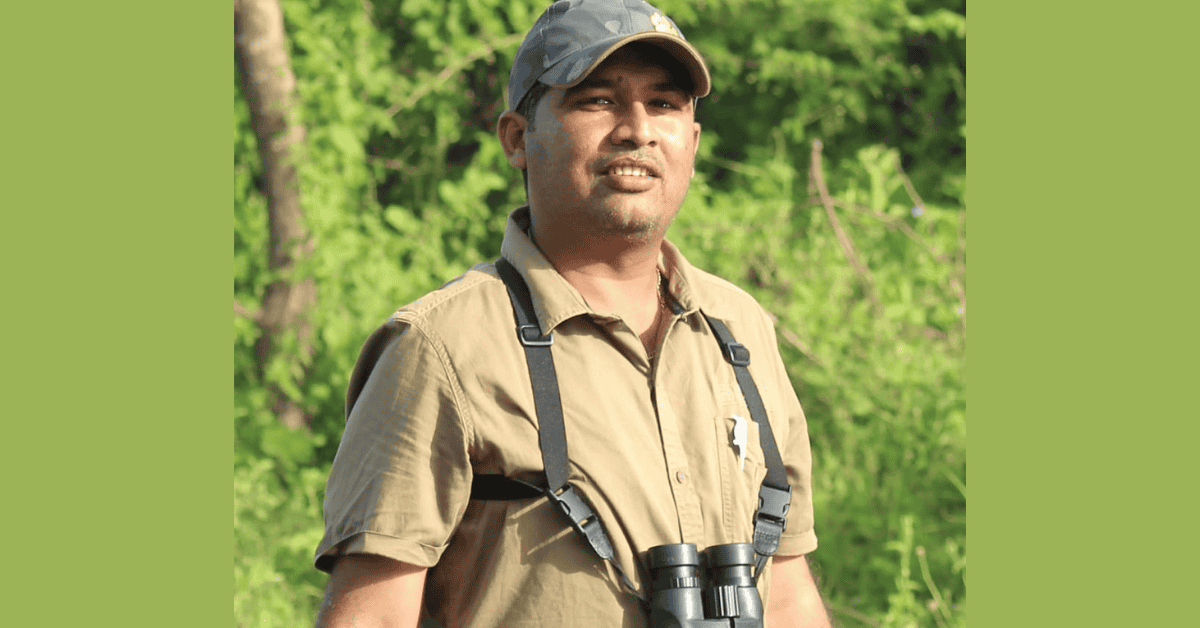
Meet an Educator is a monthly series by Early Bird that features the work of educators across India who are actively spreading the joy of birds and nature. This month’s featured educator is Ramde Bhatiya, an Assistant Teacher from Gujarat, who blends academic teaching with a passion for nature.
Do tell us about yourself, where you are from, and your work
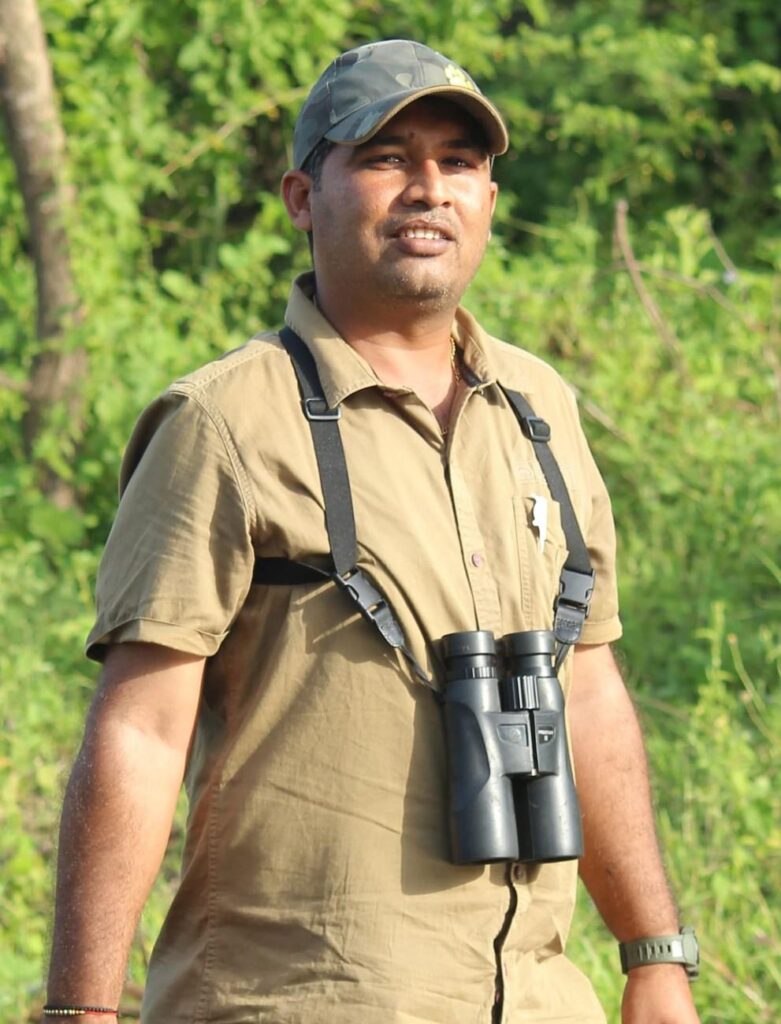
My name is Ramde Bhatiya. I am from Jamnagar, Gujarat, India, and I work as an Assistant Teacher at Chorbedi Primary School in Lalpur Taluka. Along with teaching academic subjects, I am deeply passionate about nature education and bird conservation. I am also a birder, and actively observe and document birds in my local surroundings. Teaching for me is not just a profession but a responsibility to shape young minds with values of curiosity, sensitivity, and environmental awareness. I regularly integrate nature-based learning into my classroom activities to help children connect with their environment. I believe education should go beyond textbooks and encourage real-world exploration. My favourite bird is the Great Indian Bustard, a magnificent and endangered species that inspires me to speak about conservation. Through my work, I aim to nurture responsible, nature-loving citizens who understand the importance of protecting biodiversity.
What excites you about the natural world?
Yes, I am a passionate birder. Birdwatching excites me because it connects me deeply with nature and sharpens my observation skills. Every bird has unique behaviour, calls, flight patterns, and habitat preferences, which make each sighting special. Early-morning bird walks are my favourite moments, when the world is quiet, and birds are most active.
My favourite bird is the Great Indian Bustard. Its majestic walk, impressive size, and endangered status make it both fascinating and emotionally significant to me. Observing birds teaches patience, focus, and respect for life. Even common birds, like sparrows and mynas, bring joy when I notice their nesting behaviour or feeding habits.
Birding also gives me peace and mental clarity. It transforms ordinary places into living classrooms; a simple tree becomes a habitat, and an open field becomes a biodiversity hotspot. For me, birdwatching is not just a hobby; it is a lifelong learning journey that continuously inspires my teaching and strengthens my commitment to conservation.
When and how did you get interested in bird/nature education?
My interest in bird and nature education gradually developed throughout my teaching career. While interacting with students, I realised that many children could recognise mobile brands but not the common birds in their surroundings. This worried me. I started introducing simple outdoor observation activities and discussions about local biodiversity.
As a birder myself, I began sharing my field experiences and photographs with students. Their curiosity and enthusiasm motivated me even more. I observed that learning became more meaningful when children stepped outside the classroom to observe nature directly.
Over time, I consciously integrated nature-based lessons into my teaching. Workshops, bird walks, and awareness sessions became an integral part of my educational approach. My increasing understanding of environmental challenges strengthened my commitment. I have recognised that education is a powerful tool for conservation, and since then, bird and nature education have been central to my teaching philosophy.
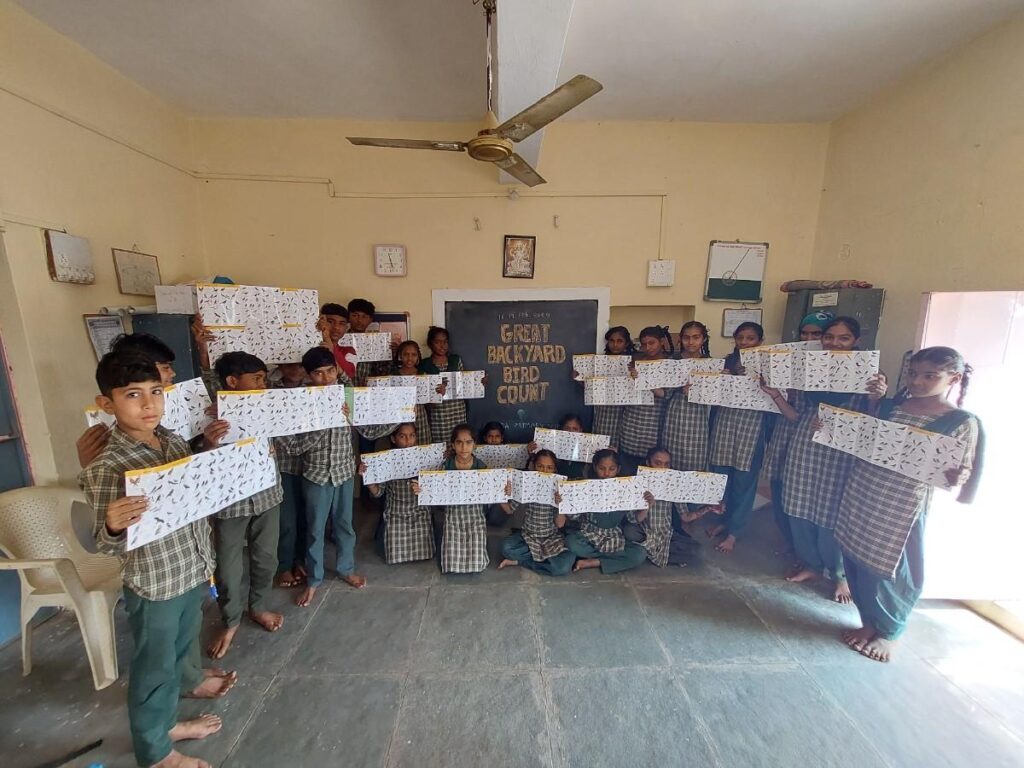
Photo credits: Ramde Bhatiya
What do you hope to achieve through your education work?
Through my education work, I hope to create environmentally responsible citizens who understand and respect nature. My goal is not only to teach children the names of birds but to cultivate empathy, awareness, and a conservation mindset. I want students to observe, question, and appreciate biodiversity around them.
I aim to bridge the gap between classroom learning and real-life experiences. Nature-based education develops observation skills, patience, and critical thinking, while also promoting emotional well-being and reducing stress. By exposing children to birds and ecosystems, I hope they develop a lifelong connection with the natural world.
Another important goal is to raise awareness about endangered species such as the Great Indian Bustard. When children learn about conservation early in life, they grow into adults who make informed and responsible decisions. Ultimately, I hope to inspire young learners to become protectors of nature. Even if only a few students choose careers in environmental science or conservation, I would consider my efforts a success.
Why do you believe it is important for children to learn about birds or connect with nature?
Children need to learn about birds and connect with nature because these experiences shape their overall development. Nature-based learning improves observation skills, concentration, and curiosity. When children watch birds, they learn the value of patience and attentiveness.
Connecting with nature also builds emotional sensitivity and empathy. A child who understands intricacies in nature is more likely to value conservation and foster responsibility and respect for all living beings. In today’s digital age, where children spend significant time on screens, nature education provides a necessary balance and helps reduce stress and anxiety. Outdoor experiences enhance both physical health and mental well-being.
Moreover, birds are excellent entry points to understanding ecosystems, climate change, and biodiversity. When children understand how interconnected life is, they become more conscious about their actions. Early exposure to nature creates lifelong environmental awareness. It ensures that future generations will not only enjoy natural beauty but will also actively work to protect it.
What tools or resources have helped you in teaching about birds? Can you describe an approach that has worked exceptionally well for you?
Several tools and resources have helped me in teaching about birds. Field guides, bird identification books, posters, and flashcards are highly useful in classrooms. Digital tools, such as bird identification apps and online videos, also make learning interactive. I often use photographs from my own birding experiences to create a sense of local relevance for students.
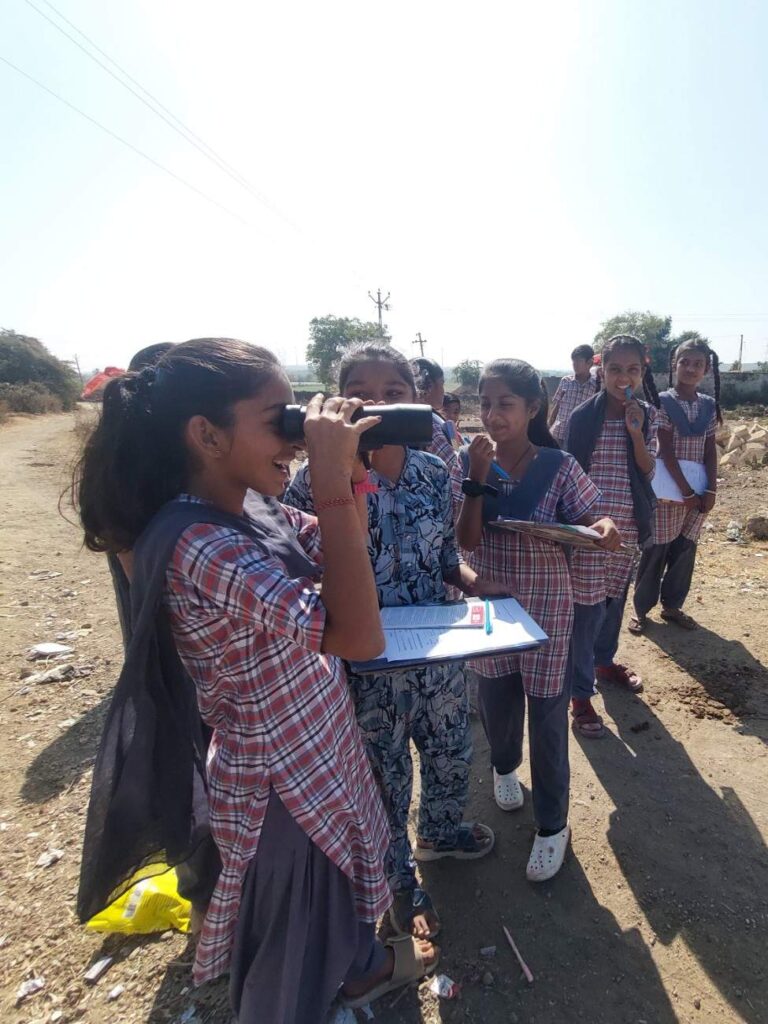
One approach that has worked exceptionally well is experiential learning through guided bird walks. Instead of explaining concepts only in the classroom, I take students outdoors to observe birds in their natural habitat. Before the walk, I brief them on observation techniques —looking at size, colour, beak shape, and behaviour. After the walk, we conduct reflection discussions and maintain observation journals.
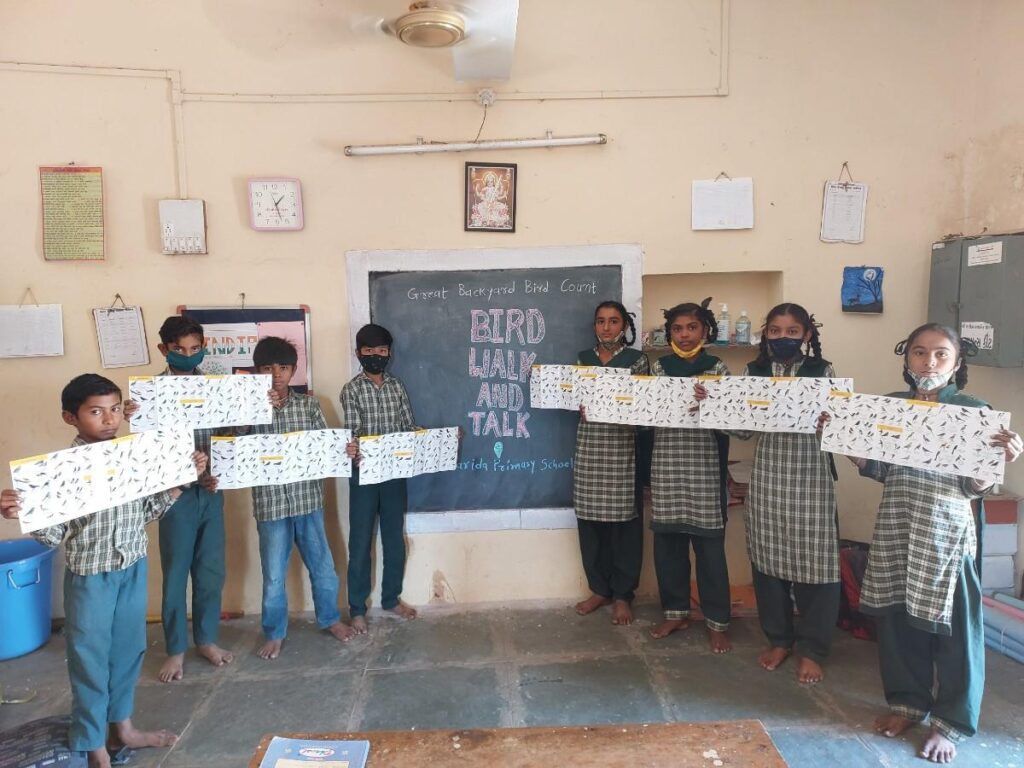
Another effective strategy is project-based learning. Students create bird charts, nesting models, and awareness posters, while group discussions about endangered species help develop critical thinking. Storytelling has also been powerful. Sharing real-life birding experiences keeps students engaged and emotionally connected. By combining practical exposure, reflection, creativity, and discussion, I ensure that learning is active and meaningful rather than purely theoretical. This integrated approach has significantly increased students’ interest and participation.
Have you encountered a significant challenge as a bird/nature educator, how did you overcome it?
One significant challenge I encountered as a bird and nature educator was limited awareness and an initial lack of interest among students. Many children were more attracted to digital entertainment and showed little curiosity about birds. Additionally, time constraints within the academic schedule made it difficult to organise outdoor activities.
To overcome this, I started by connecting birds to the students’ daily lives. Instead of beginning with rare species, I focused on common birds that they could see around their homes and school. I used engaging storytelling and interactive quizzes to spark curiosity. Gradually, I introduced short, well-planned observation sessions that did not disrupt academic routines. I also involved parents by sharing simple bird-observation tasks children could do at home.
Another challenge was explaining conservation issues in a way that children could understand without feeling overwhelmed. I simplified concepts and used relatable examples. With patience and consistency, their interest grew. Students began sharing their own sightings and experiences, and the initial resistance transformed into enthusiasm, proving that thoughtful engagement can overcome such challenges.
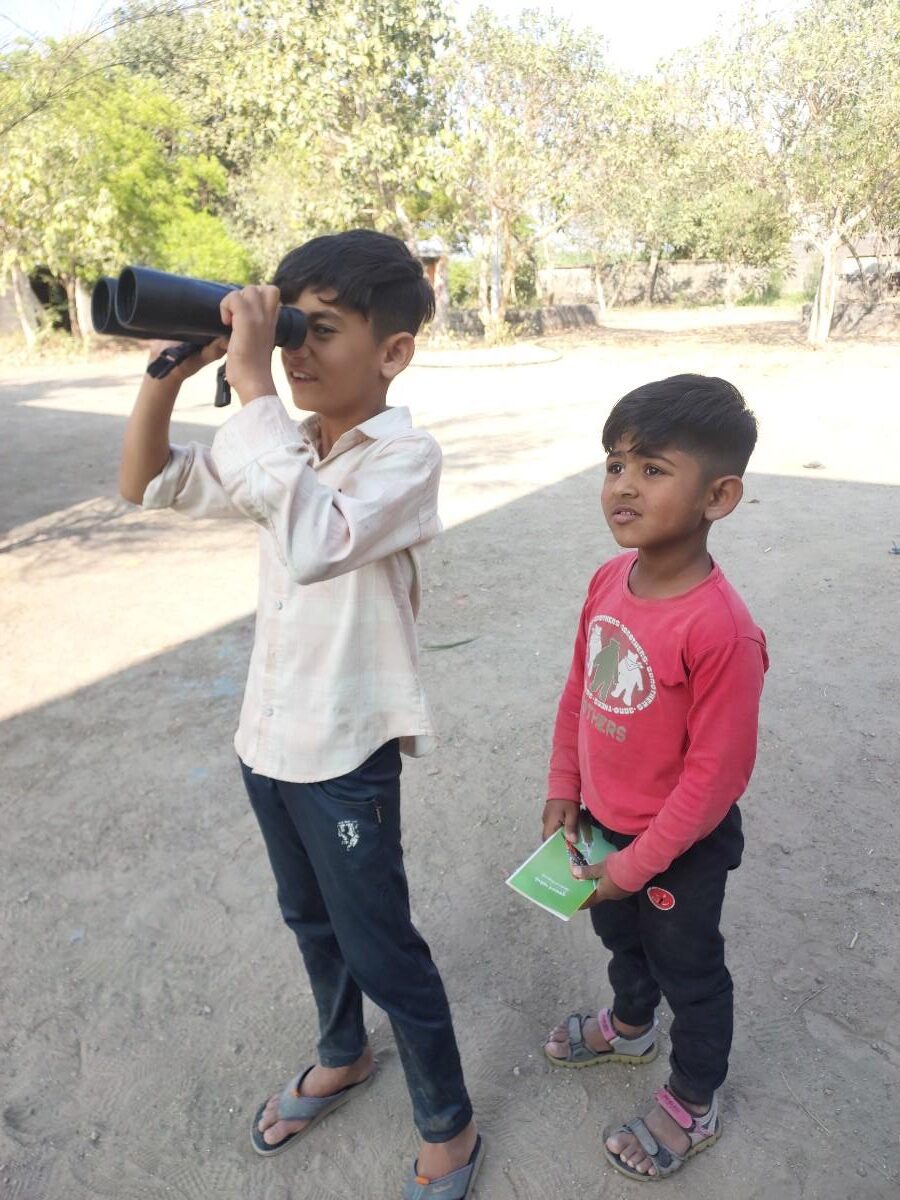
Photo credits: Ramde Bhatiya
Do share any memorable moment or experience you have had in teaching kids about birds/nature. Can you recall any insightful instance that shaped your perspective?
One of my most memorable experiences was during a school bird walk when a student spotted a bird before I did. The child excitedly and correctly identified the bird after observing its colour and call. The joy on the student’s face was unforgettable, and it showed me that experiential learning truly empowers children.
Another insightful moment occurred when we discussed the Great Indian Bustard. A student asked why humans allow such a beautiful bird to become endangered. That innocent question deeply moved me, reminding me that children are naturally empathetic and fair. During one activity, students created posters about bird conservation. Many included strong messages about protecting habitats and reducing pollution. Their creativity and sincerity reinforced my belief that nature education shapes values, and not just knowledge.
These experiences transformed my perspective as an educator. I realised that my role is not to provide all answers, but to create opportunities for exploration and reflection. When children observe birds firsthand, learning becomes both meaningful and long-lasting. Moments like these continue to inspire me and strengthen my commitment to bird and nature education.
Have you noticed any changes in your learners after they received exposure to birds and nature-based learning? If yes, what are they? If not, why do you think that is?
Yes, I have noticed significant positive changes in my students after their exposure to birds and nature-based learning. Students have become more observant and curious. They now identify common birds and share sightings enthusiastically. Their sense of responsibility has also improved—some students now remind others not to disturb nests or throw waste in open areas. They show empathy toward living beings and a greater environmental awareness.
Academically, I have observed an improvement in concentration and participation. Outdoor learning experiences increase engagement and boost their confidence. Students who were usually quiet in class now actively contribute during discussions. Another noticeable change is the improvement in teamwork. During bird walks and group projects, students collaborate effectively and respect each other’s observations.
Overall, nature-based education has positively influenced their attitudes, behaviour, and learning approach. It has made them more sensitive, thoughtful, and connected to their surroundings.
What message would you have for your fellow educators, or somebody starting out in their nature education journey?
My message to fellow educators is simple: take learning beyond the classroom walls. Nature is the most accessible and powerful teacher. You do not need expensive equipment—start by observing the common birds around your school. Encourage curiosity rather than memorisation, and allow children to ask questions and explore. Even small activities, like maintaining observation journals, can have a lasting impact.
Be patient and consistent. Interest may not develop immediately, but steady efforts will show results. Share your own experiences to build connections and authenticity. Nature education is not an extra-curricular subject; it is a foundation for responsible citizenship. When we help children connect with birds and the environment, we are shaping a more compassionate and sustainable future.
Start small, stay committed, and let nature become your co-teacher.